
Meet the Grandmas and Grandpas Building Tenant Power
When management neglected their building, elderly, majority-Chinese tenants in Downtown Oakland got organized and fought back.
When management neglected their building, elderly, majority-Chinese tenants in Downtown Oakland got organized and fought back.
Contrary to what Scale's 7-figure ad campaign claims, the company's ethos is anything but “centering humans.”

In Against Tech Oligarchy, two leading labor organizers chronicle the past decade’s tech worker movement.
When management neglected their building, elderly, majority-Chinese tenants in Downtown Oakland got organized and fought back.

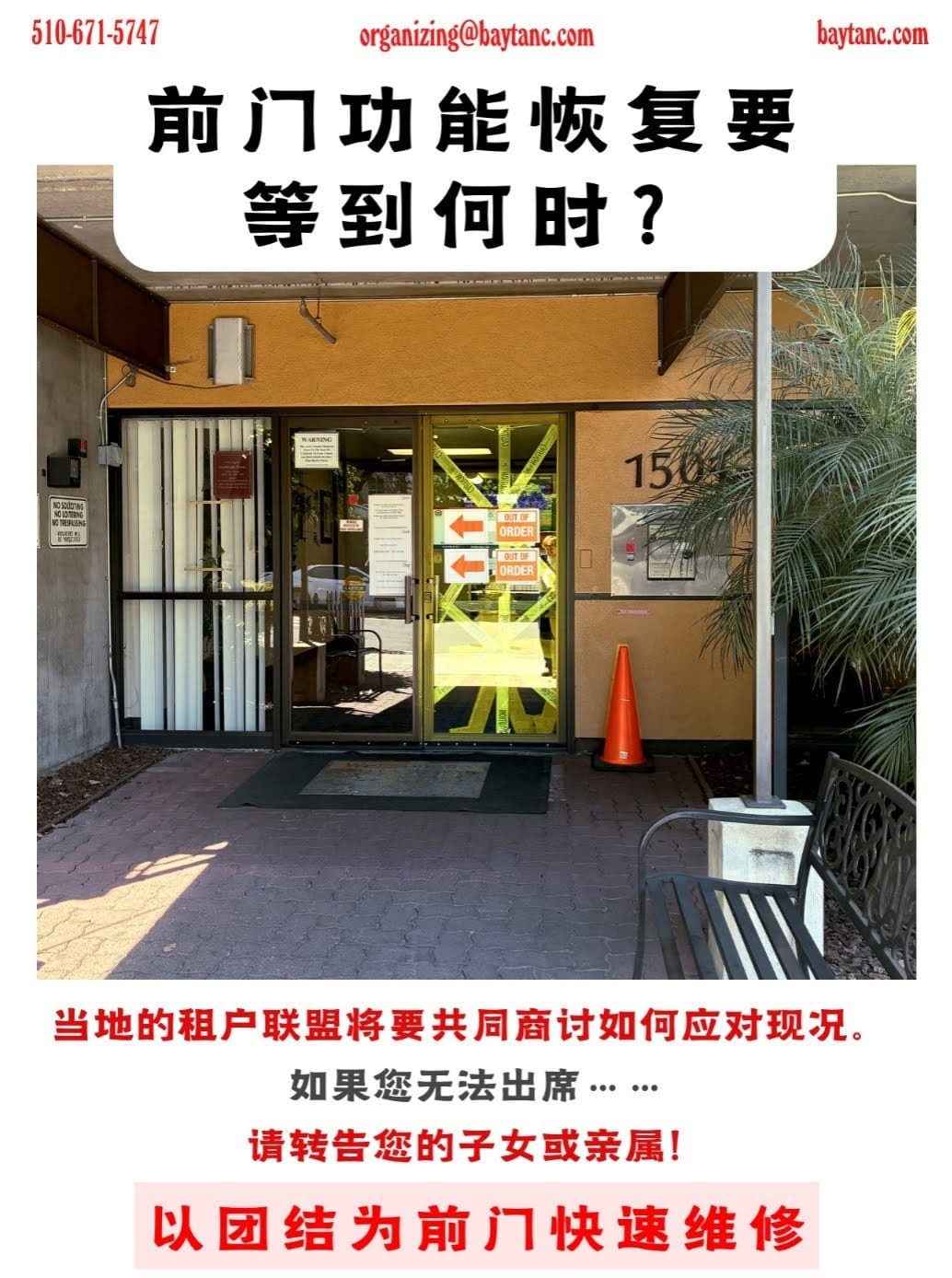
A broken door at 1501 Alice Street in Oakland kicked off a months-long organizing campaign that brought a building of seniors into the tenant union movement.
In April, during a regular weekly neighborhood canvass, two Tenant and Neighborhood Council (TANC) members noticed that the front doors of 1501 Alice Street were broken, allowing the members to walk right in and start chatting with the local tenants about their living conditions.
Organizers quickly learned from tenants that the broken door was only the latest in a long list of unaddressed issues at the apartment building, which included a broken elevator, inconsistent hot water, an out-of-order lobby bathroom, and inadequate security services given the frequent break-ins.
1501 Alice Street, officially named “Don Stump South Lake Tower,” is named for Don Stump, the former CEO of Christian Church Homes (CCH), a non-profit that “builds and manages quality affordable housing in caring communities.” The tenants of Don Stump are retirees and mostly Chinese immigrants.
Organizers quickly learned from tenants that the broken door was only the latest in a long list of unaddressed issues at the apartment building, which included a broken elevator, inconsistent hot water, an out-of-order lobby bathroom, and inadequate security services given the frequent break-ins.
Fei Peng, an 81-year-old tenant, has lived in Don Stump for over 10 years. “For a long time things at the building were very good, but since the new management arrived, their practices had become inadequate, they had stopped listening to us tenants.”
When tenant organizers, including Kevin Sun, returned to Don Stump a few days later, the tenants told TANC organizers they had brought twenty Don Stump residents to the local tenant union meeting, but had misread the date on the flyer and had shown up at one of the off-weeks when the tenant union didn't meet. “This kind of engagement this early on with any sort of campaign is really rare,” said Sun.
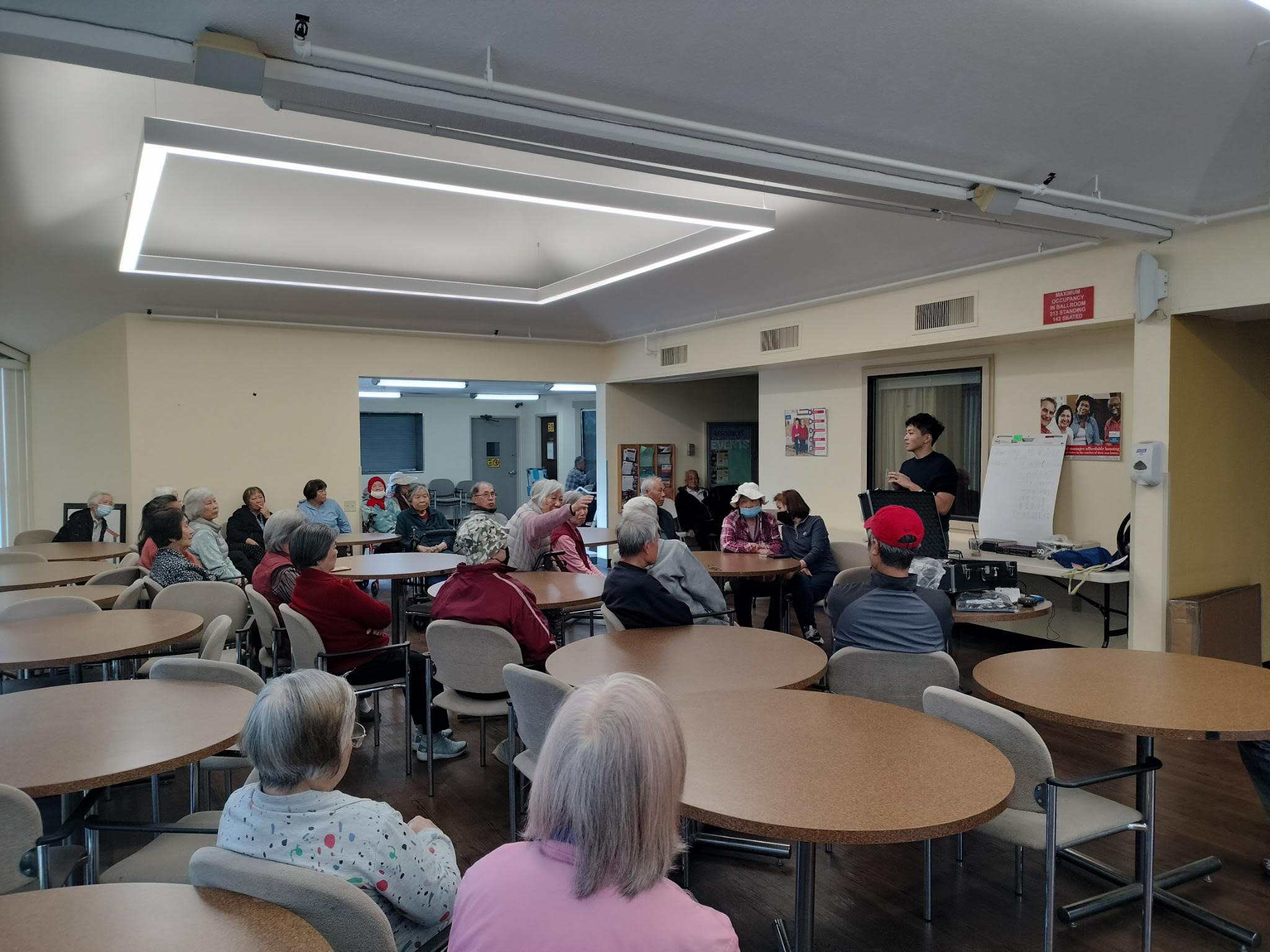
With the help of TANC organizers, the Don Stump tenants organized a town-hall style meeting with about thirty in attendance to discuss major issues in their building.
The first meeting was chaotic. The tenants had been frustrated with their living conditions for years, and grievances poured out. “It was the first time that many of them felt like they would be listened to, and by someone who actually wanted to help them,” said Sun, one of the facilitators of the meeting. “It’s only natural that it would come out in outbursts like this. My fellow organizers and I just kept asking ourselves: how do we turn their scorn for the management and their current situation into power and action?”
Language barriers are a common obstacle in organizing tenants —- tenants in subsidized housing are often immigrants with limited English proficiency. The Chinese tenants of Don Stump tower mostly speak Cantonese as a first language; while most are conversational in Mandarin, they have limited English language ability. Other tenants speak primarily Korean or English. TANC was able to draw on their existing network of Mandarin and Cantonese speakers within TANC’s Chinese Leftist Language Group.
Peng emerged as a leader among the Chinese tenants — when leading a discussion, he would often rely on pointing to someone and declaring “你说”: “You, talk.”
“Speaking with the tenants in their preferred language fostered trust and solidarity between organizations and residents,” said Matthew Sun, a volunteer who provided Cantonese interpretation at many organizing meetings.
The tenants began to hold organizing meetings on a biweekly basis in their community room. There was a familiarity and directness among the Chinese tenants that could only come from years of living together. Peng emerged as a leader among the Chinese tenants — when leading a discussion, he would often rely on pointing to someone and declaring “你说”: “You, talk.”
Holding these meetings in the community room also created opportunities to bring together tenants who had previously been separated by language barriers.
Francine Broadnax, 78, has lived at Don Stump for 4 years on the same floor as Peng. Broadnax experienced all the same housing issues as her Chinese-speaking neighbors but had been unable to fully communicate with them until she happened upon an organizing meeting while exercising in the community room.
After much discussion at the first two meetings, the Don Stump tenants decided to send a demand letter to CCH management asking that they address the tenants’ primary concerns: the broken front door, the inconsistent hot water, and inadequate interpretation and translation in communications from management.
Management never responded to the petition, but shortly after the front door — for which building management had previously claimed they were unable to obtain parts — was repaired.
When TANC organizers offered to support a petition signature drive, the tenants confidently responded: “Don’t even worry about it.” 90 out of the 120 tenants in the building signed on. Tenants, accompanied by organizers from TANC, delivered this demand letter directly to CCH headquarters in Walnut Creek.
Management never responded to the petition, but shortly after the front door — for which building management had previously claimed they were unable to obtain parts — was repaired. More small repairs followed, but the Don Stump tenants were unsatisfied with the pace. The tenants' most important demand for additional security services remained unaddressed, too. The “desk monitor” in the building is over 80 years old — hardly equipped to address the consistent break-ins.
“I have had money, kitchenware, and clothing stolen from me while living here. I do not feel safe, said Mo Lan Chau, a 78- year-old resident at Don Stump Tower.
The Don Stump tenants continued organizing, even picking a name for their tenant union: The Tenant Mutual Aid Committee (租户互助自救组). The union also opened an investigation with the California Affordable Housing Initiative — the Section 8 program which subsidizes many of the Don Stump tenants’ rent — into the building’s conditions.
Then, on July 31st, Don Stump management announced a new policy: the community room would be closed after hours and on weekends. In one reported instance, management went as far as to snatch ping-pong paddles out of the hands of tenants at 5pm. While management cited these closures as necessary to “ensure the security of all residents,” tenants believe management closed the room to crack down on their organizing.
Tenants escalated pressure in response by delivering a second demand letter to CCH management, highlighting their security concerns, their disappointment with management’s refusal to acknowledge the tenants’ demands, and for what they perceived as retaliation for organizing. CCH declined to comment on the habitability and safety issues raised by tenants or management’s alleged retaliation against tenant organizing.
On August 15th, intruders cut holes through the chain-link fence of the apartment building, and smashed the lock of an apartment before being scared away by tenants. Then, management announced that the community room would be closed entirely for two full days on August 25th and 26th for a private training event. The break-in and the room closures were the last straw for tenants.
On a banner they painted “租户互助自救组行動" – Tenant Mutual Aid Committee in Action!
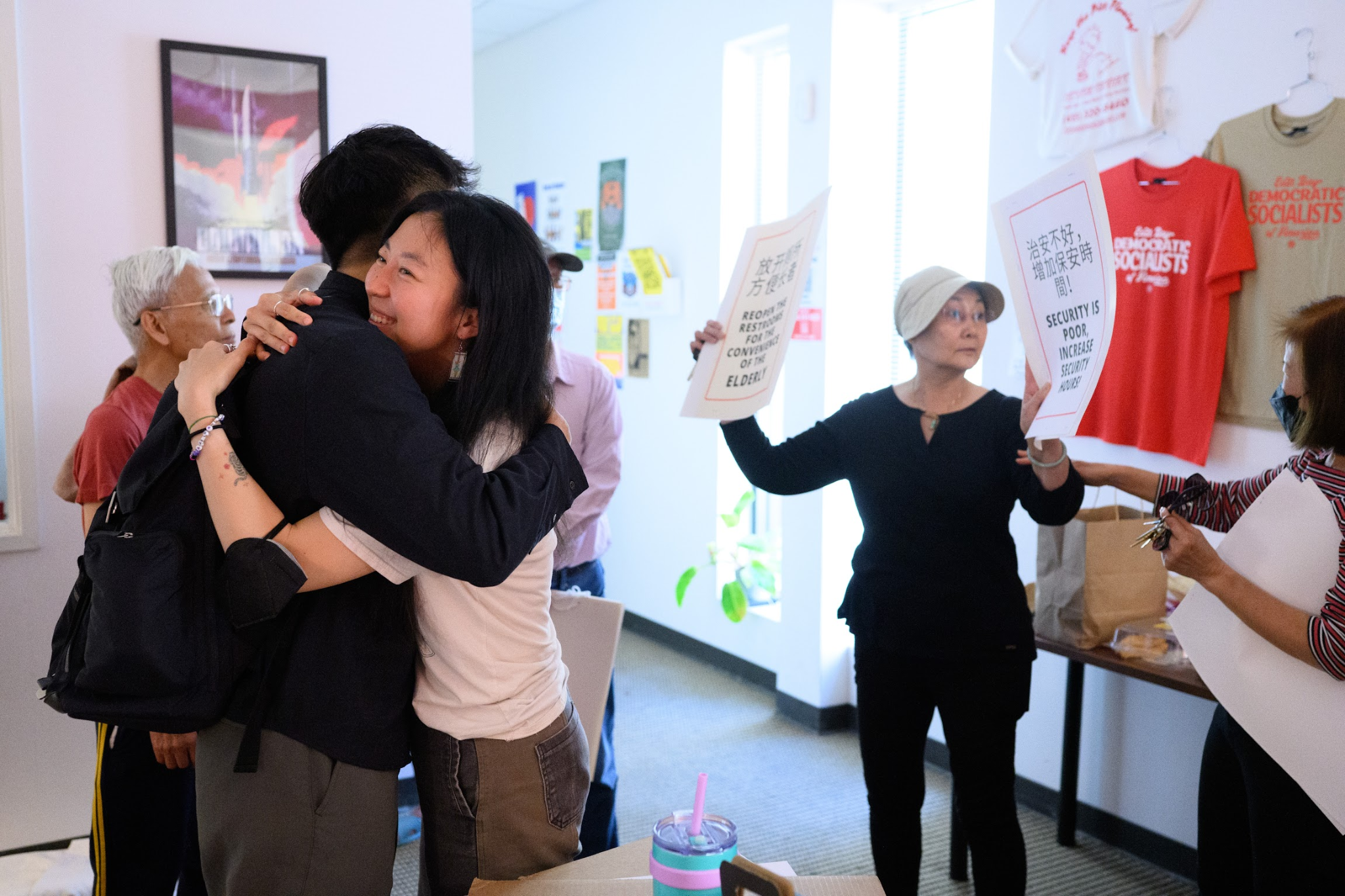
“I haven’t been able to sleep well since the break-in,” said Broadnax. With support of TANC, tenants mobilized for a picket, assembling picket signs that creatively declared:
凭什么改变老人生活 – What right do you have to change the lives of the elderly?
And 要自由,不要坐牢 – We want freedom, not imprisonment
On a banner they painted “租户互助自救组行動" – Tenant Mutual Aid Committee in Action!
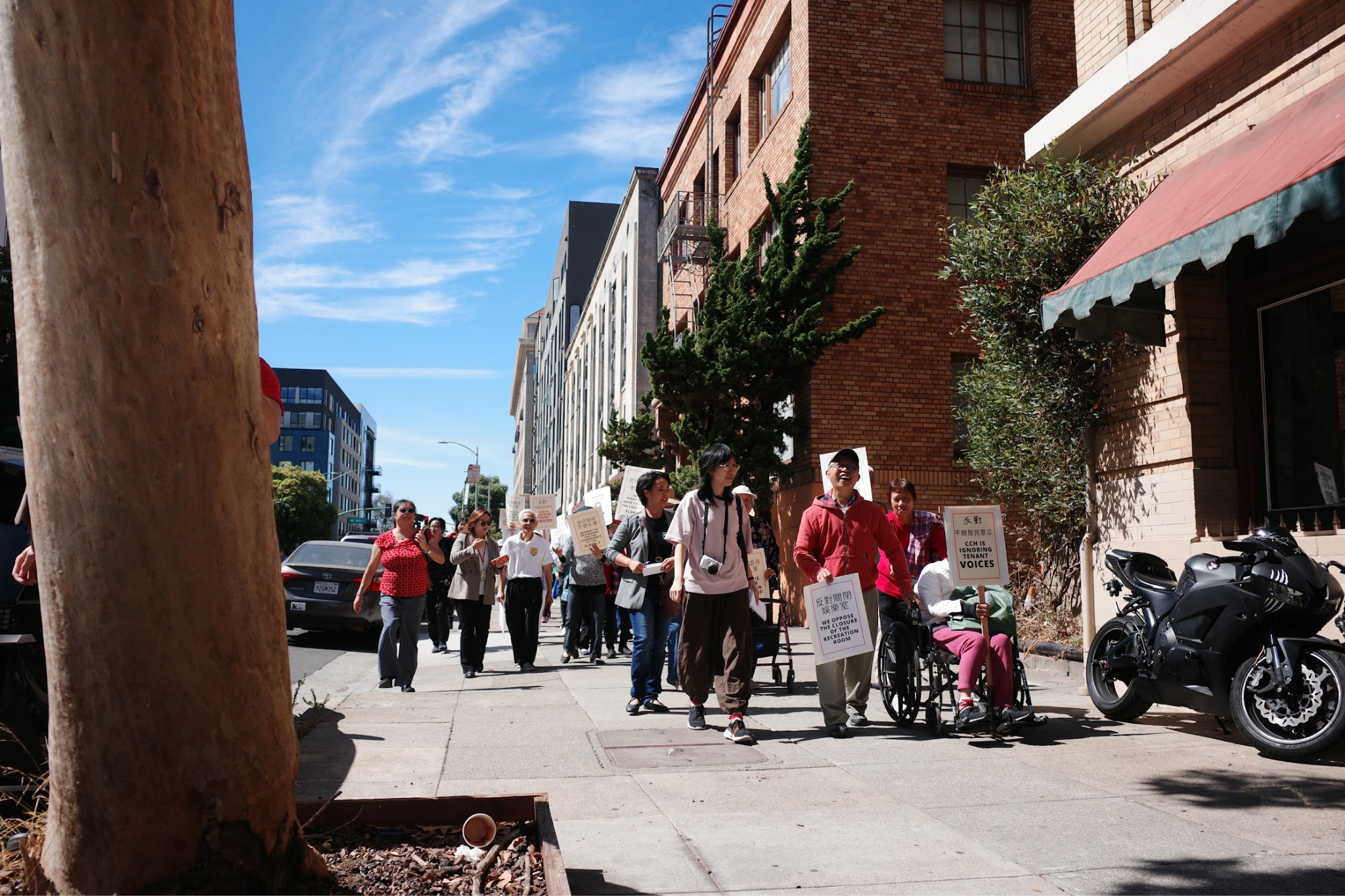
On August 25th, the tenants of Don Stump took to the streets waving signs, chanting, and pushing their partners and neighbors in wheelchairs. Peng and Broadnax gave speeches surrounded by fellow Don Stump residents, TANC members, and community supporters. The action garnered the attention of the Oakland City government, Chinese news outlets like KTSF and Sing Tao, as well as mainstream English publications like San Francisco Chronicle.
“It made me feel like I was doing something,” said Broadnax. “Like I was part of a movement.”
Hours after the action, the building management announced the full reopening of the community room on August 27th and announced a town hall to be held on August 31st to hear residents’ concerns.
“CCH has demonstrated what we all know,” said Kevin Sun. “Direct action gets the goods.”
“In many early campaigns, including Don Stump, there’s confusion from tenants on the role of TANC organizers.” said Cece Shaw, an organizer with the Central Oakland local of TANC. “Do we work for the city? Or a non-profit that could advocate on their behalf? What they learned through months of organizing is that the power to transform their lives lay in their hands all along.”
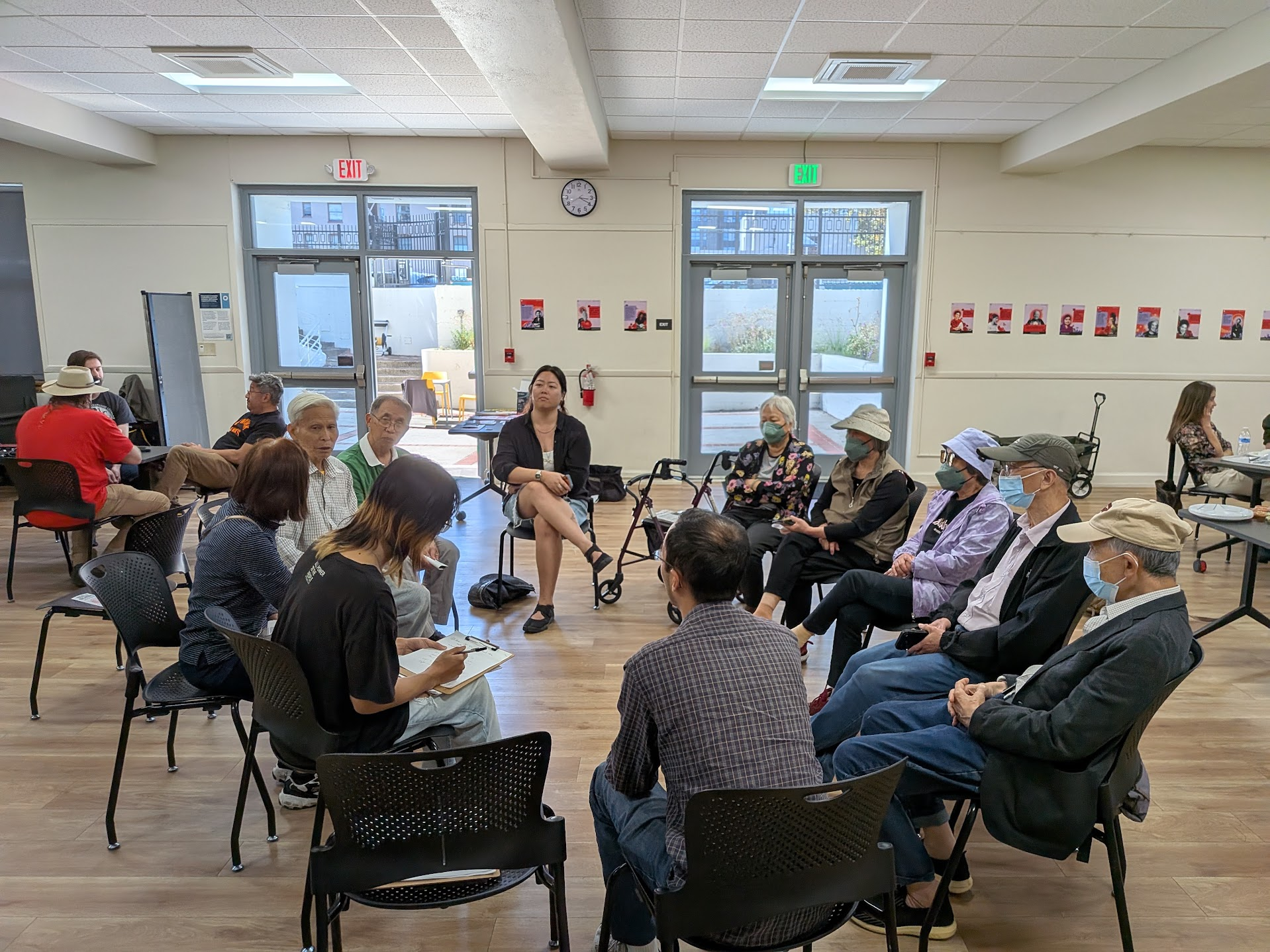
The town hall included city officials, police, and representatives from CCH including its current CEO, Cynthia Alvarez. “They wanted us to know that they were hearing us, they seemed genuinely interested and willing to work with us to address our concerns," said Broadnax. Management also promised that these town-hall meetings would be conducted once a month from now on. “Two meetings aren’t going to address the problems, but it’s a start.”
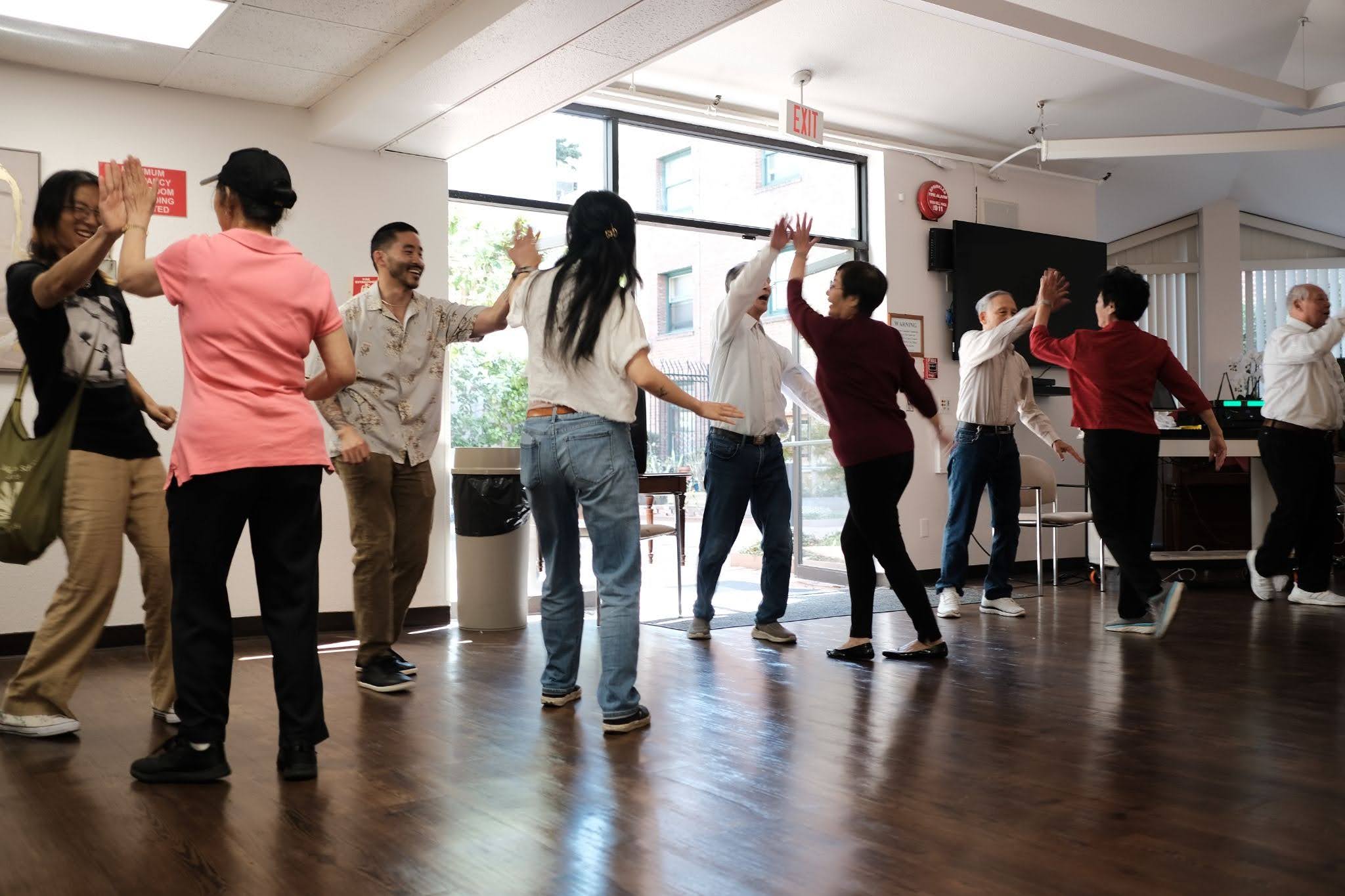
“CCH has demonstrated what we all know,” said Kevin Sun. “Direct action gets the goods.”
“We have to bring the Tenant Mutual Aid Committee into maturity,” Peng said. “We have to get representation from all parts of the building. Then, they will listen.”
“This never happened before the protest,” said Luo. “The demonstration [in August] was a real success, they’ve made a lot of improvements, the recreation room and lobby bathroom have all been reopened, the emergency pull cords are being fixed as well.” CCH has assured the tenants that they are seeking funds for increased security.
And although tenants remain skeptical that CCH will deliver on their promises, they've come to see collective action and solidarity as the keys to their success. “We have to bring the Tenant Mutual Aid Committee into maturity,” Peng said. “We have to get representation from all parts of the building. Then, they will listen.”

Despite public outcry, Oakland City Council decided to approve the new cop contract and reappoint police commission chair.

In a city dripping with cash, San Francisco can’t get its kids to school.


Ten picketers were arrested on July 21st during the strike at C&H Sugar. Their charges can be filed at any time within the next year.


The majority Chinese-speaking tenants at a downtown Oakland building organized to fix hot water, broken doors, and lack of security. Management’s response: shut down their community room.