
The Vibration of the Streets, in Lula’s Brazil and Beyond
What can the Brazilian elections teach us about the Brazilian Left and the world?
What can the Brazilian elections teach us about the Brazilian Left and the world?

100,000 SEIU Local 1000 workers strike to force Newsom administration back to the bargaining table.

What can the Brazilian elections teach us about the Brazilian Left and the world?

Dear reader, here’s a brief warning before you start: we won’t be able to explain the entirety of Brazilian politics in the few words that follow. Our blood is still hot, coursing through the excited hearts of those who just experienced the greatest civic movement in the history of Brazil: the October 25 comeback in the presidential elections and Lula’s victory against the anti-democratic extreme right.
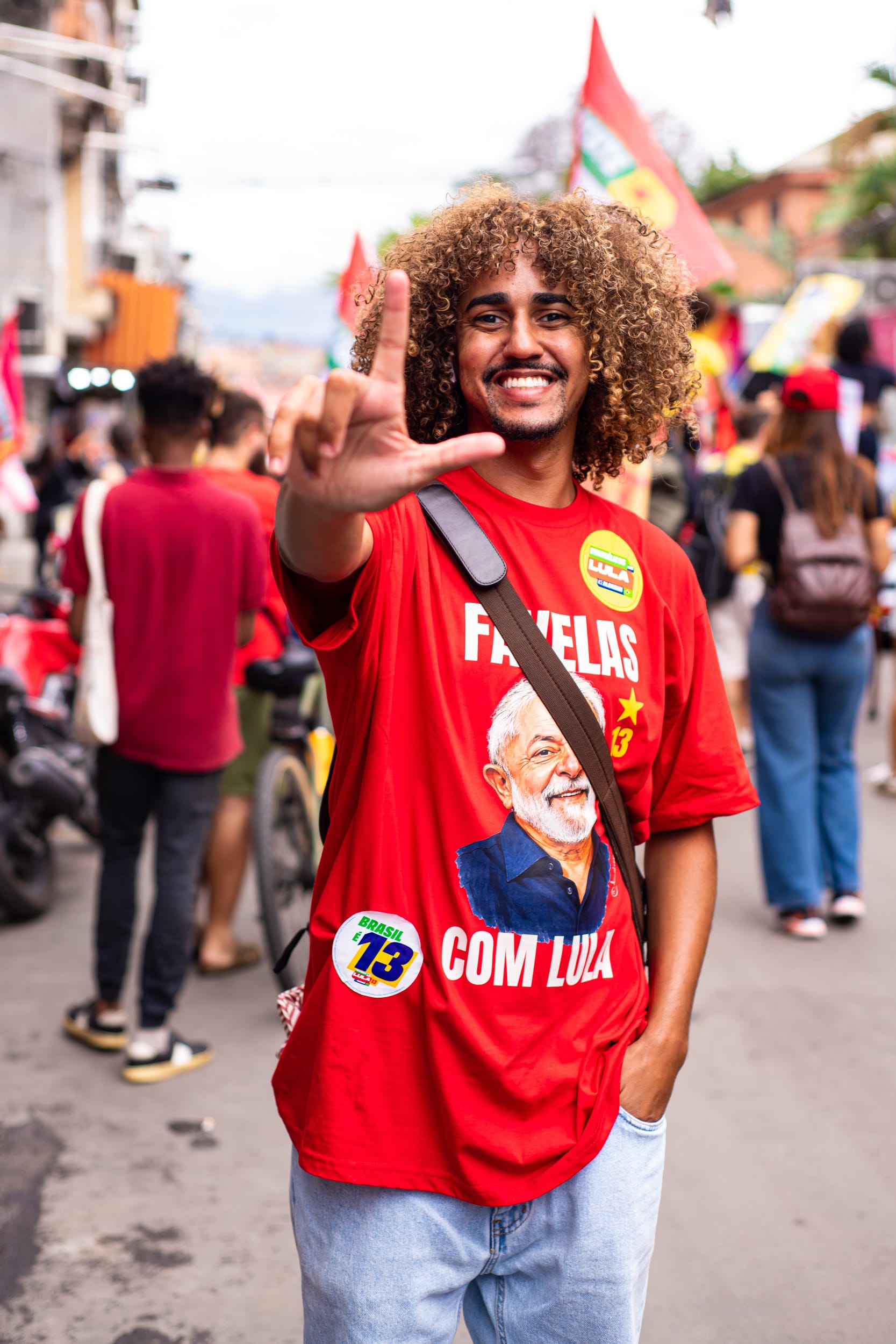
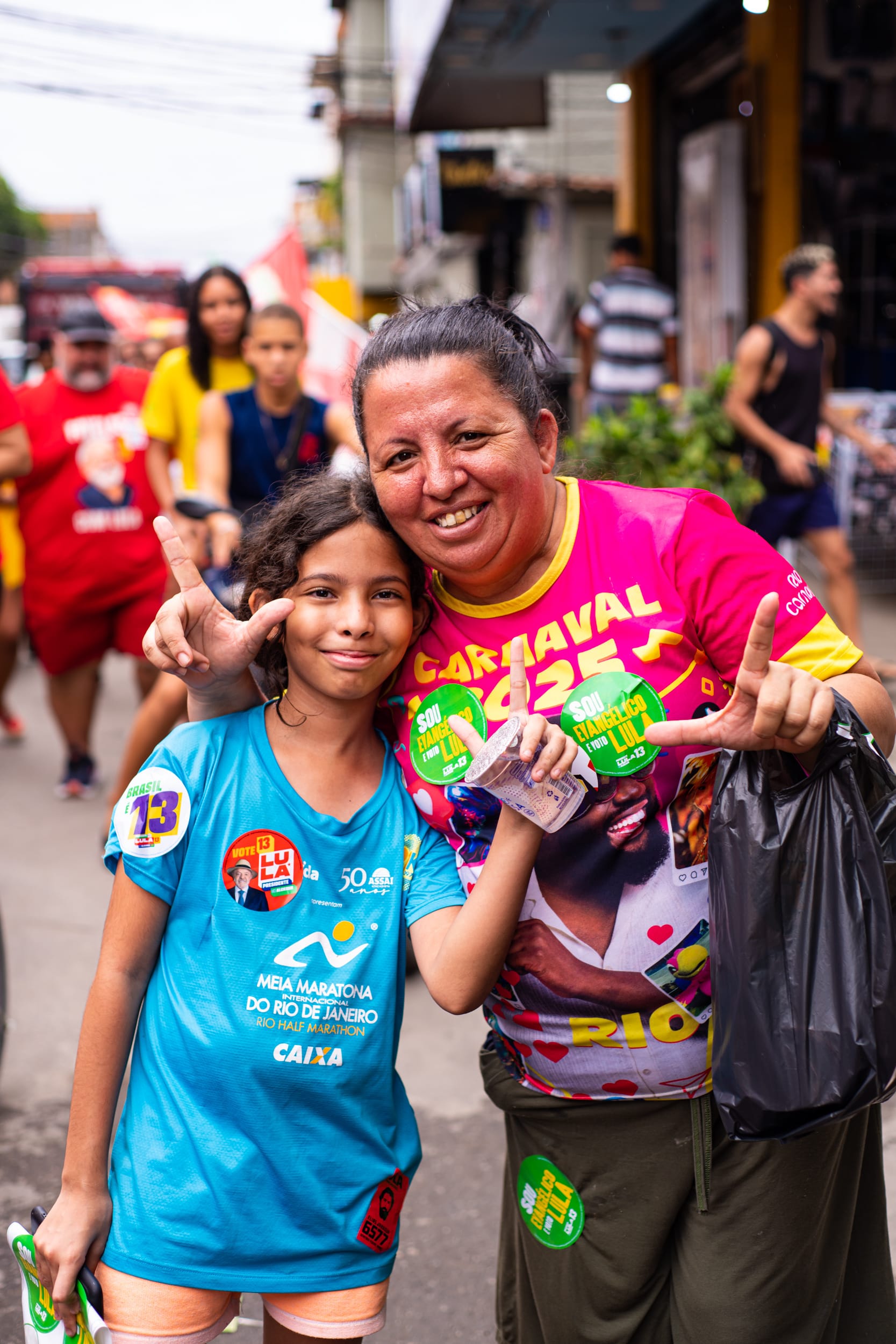
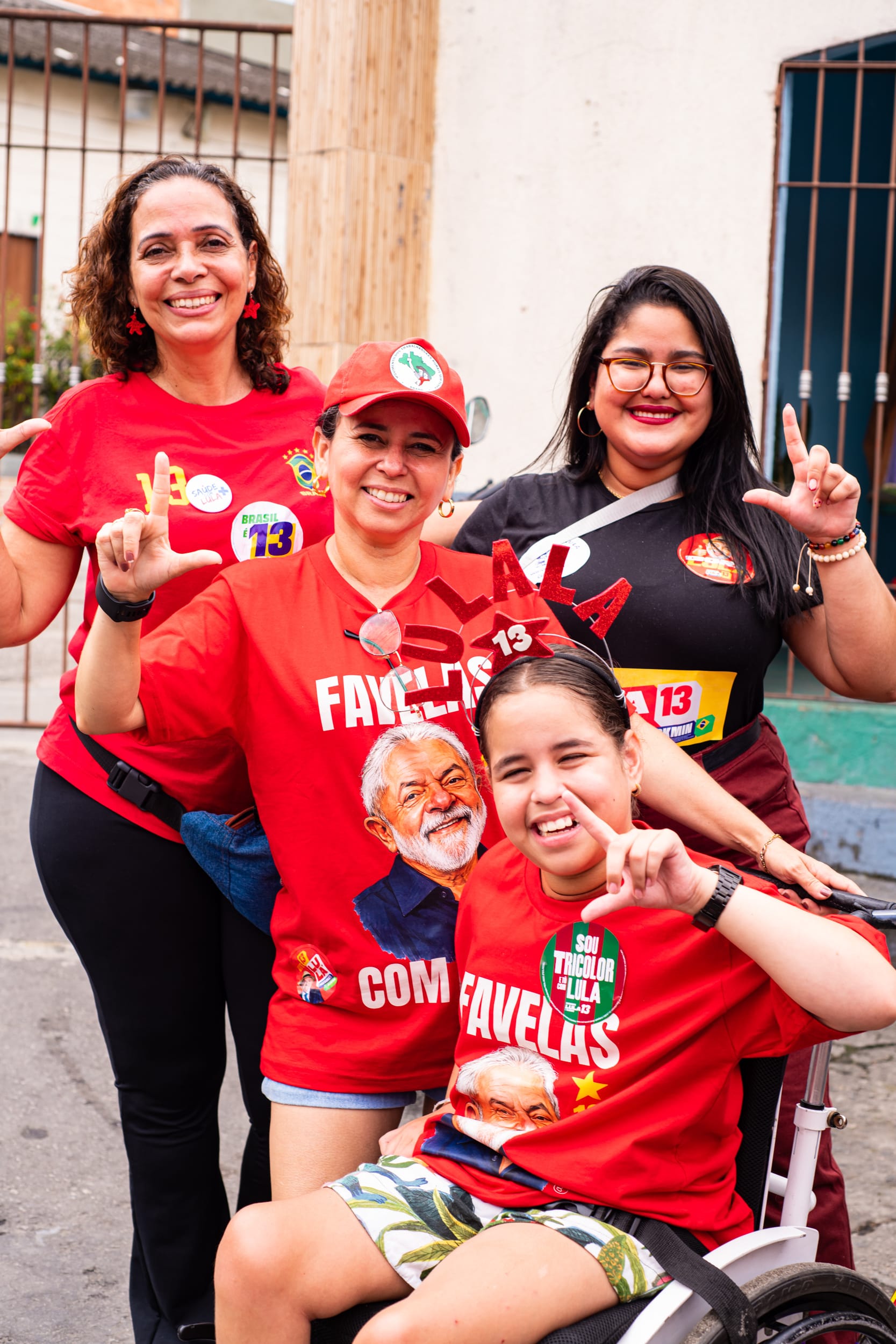
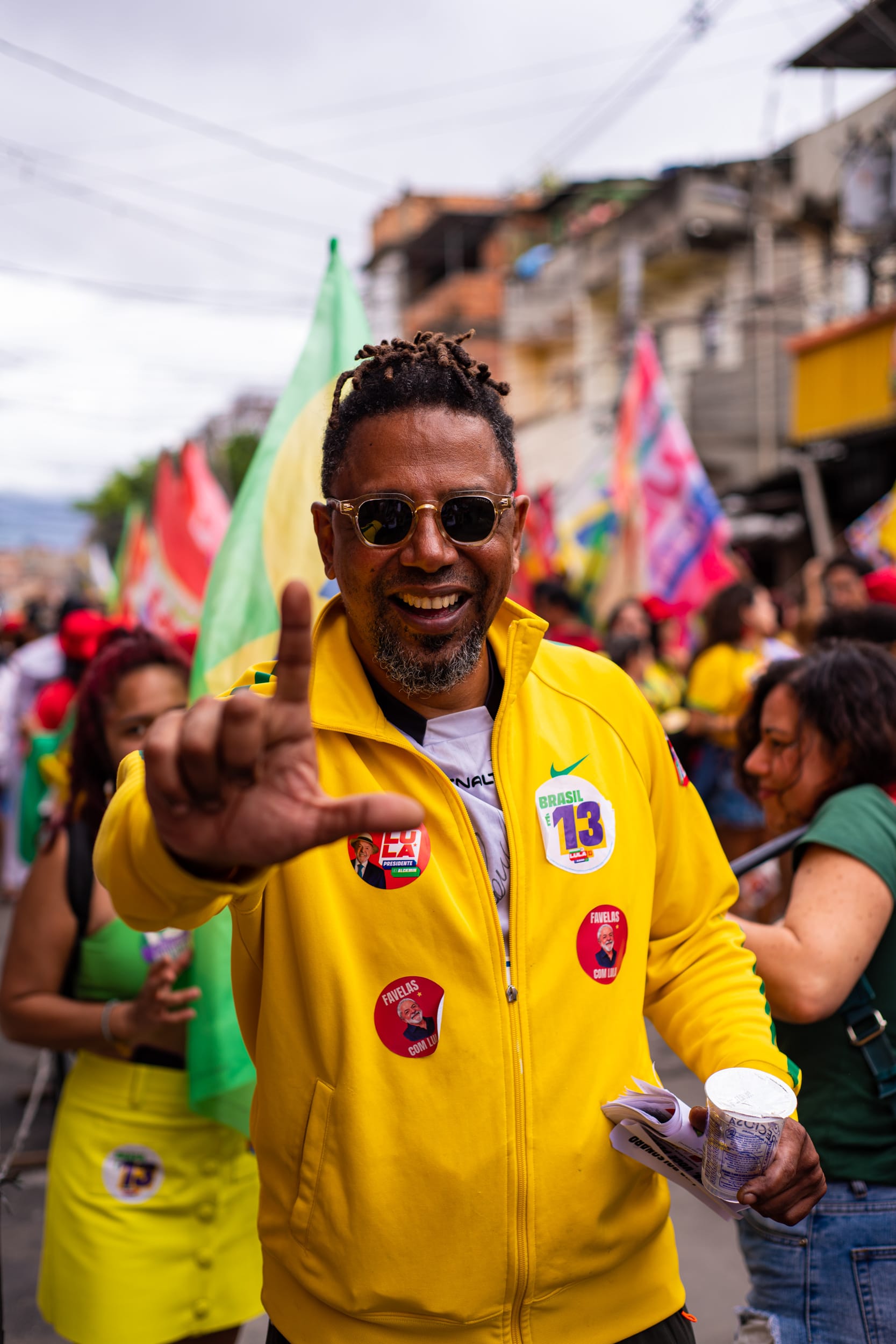
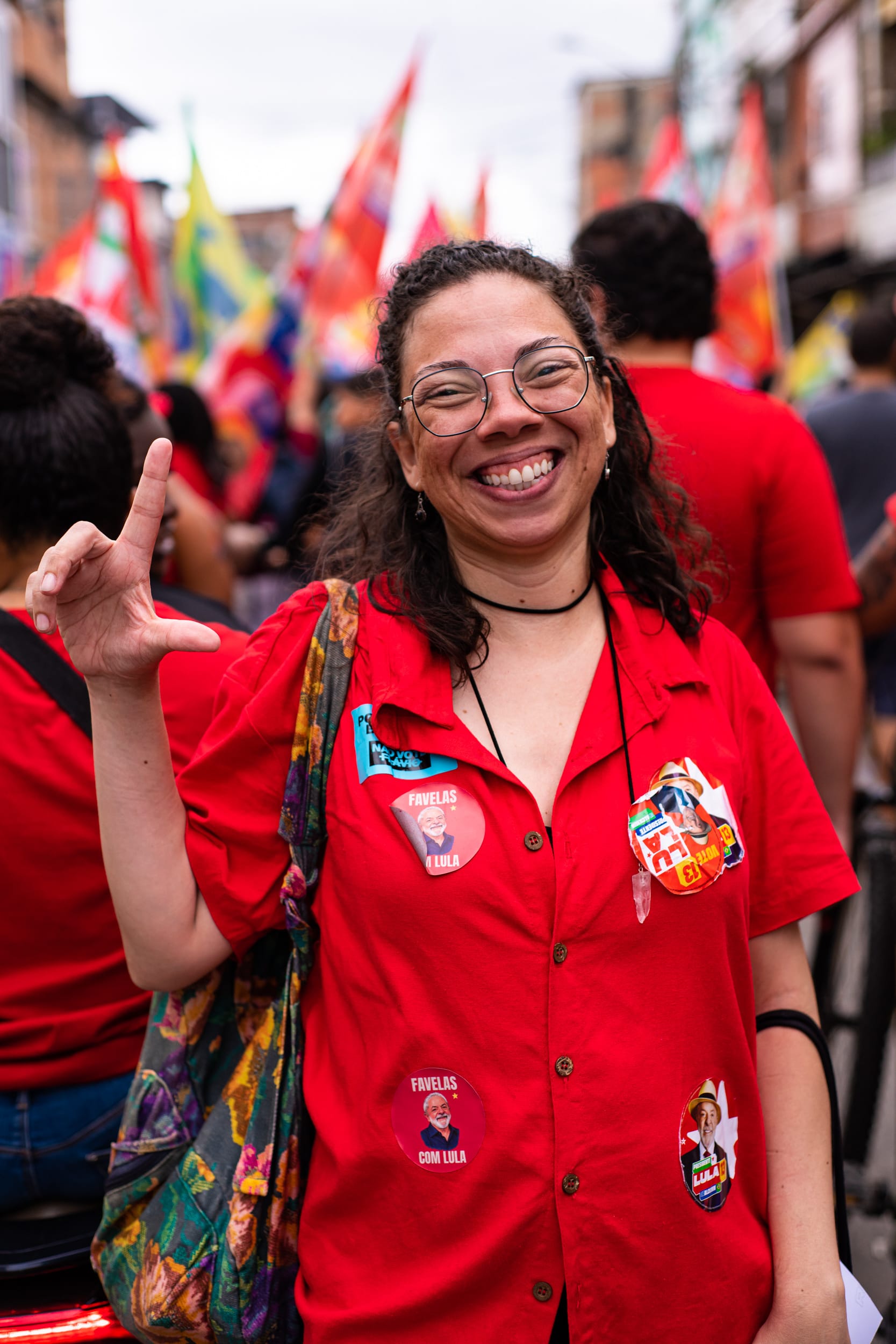
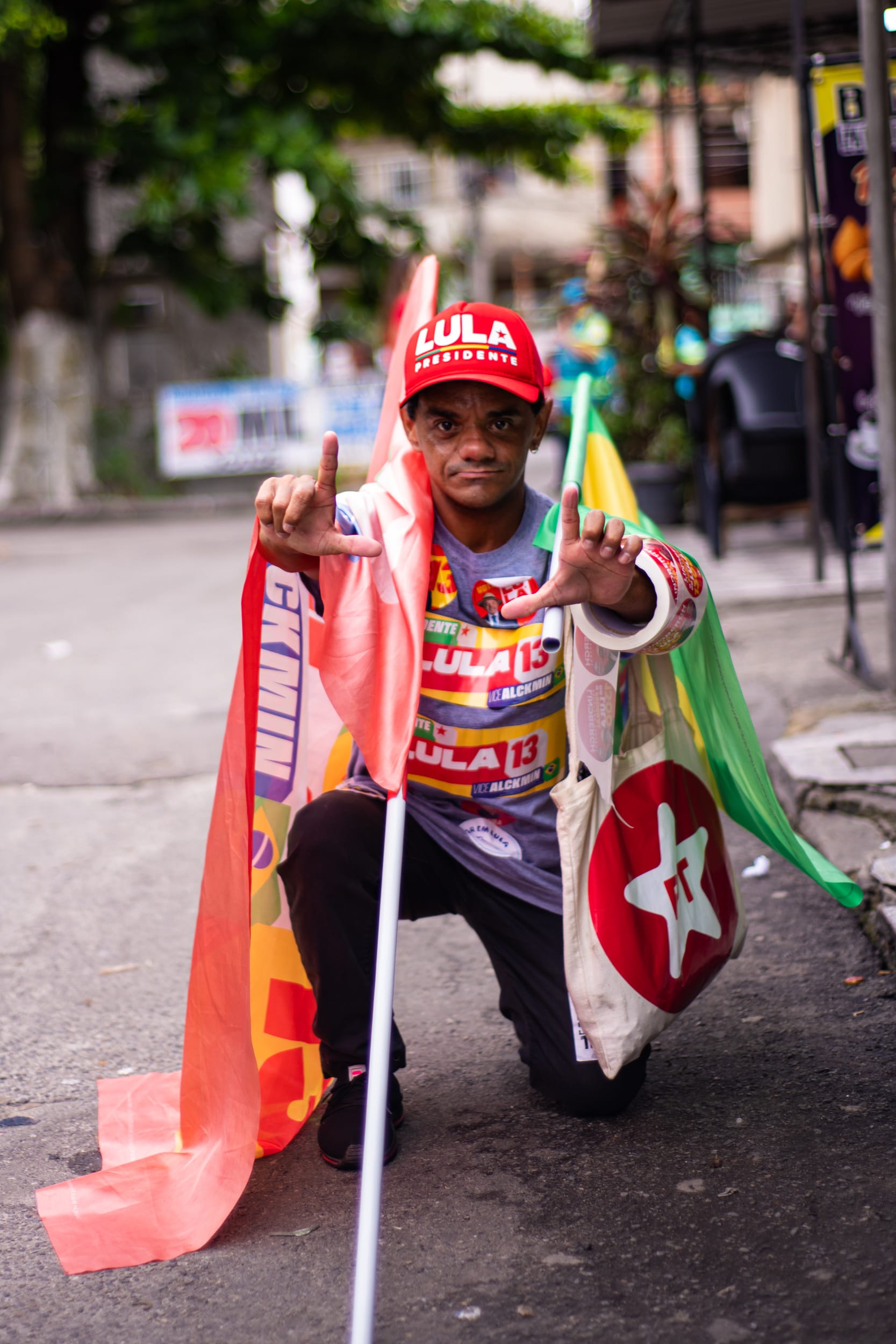
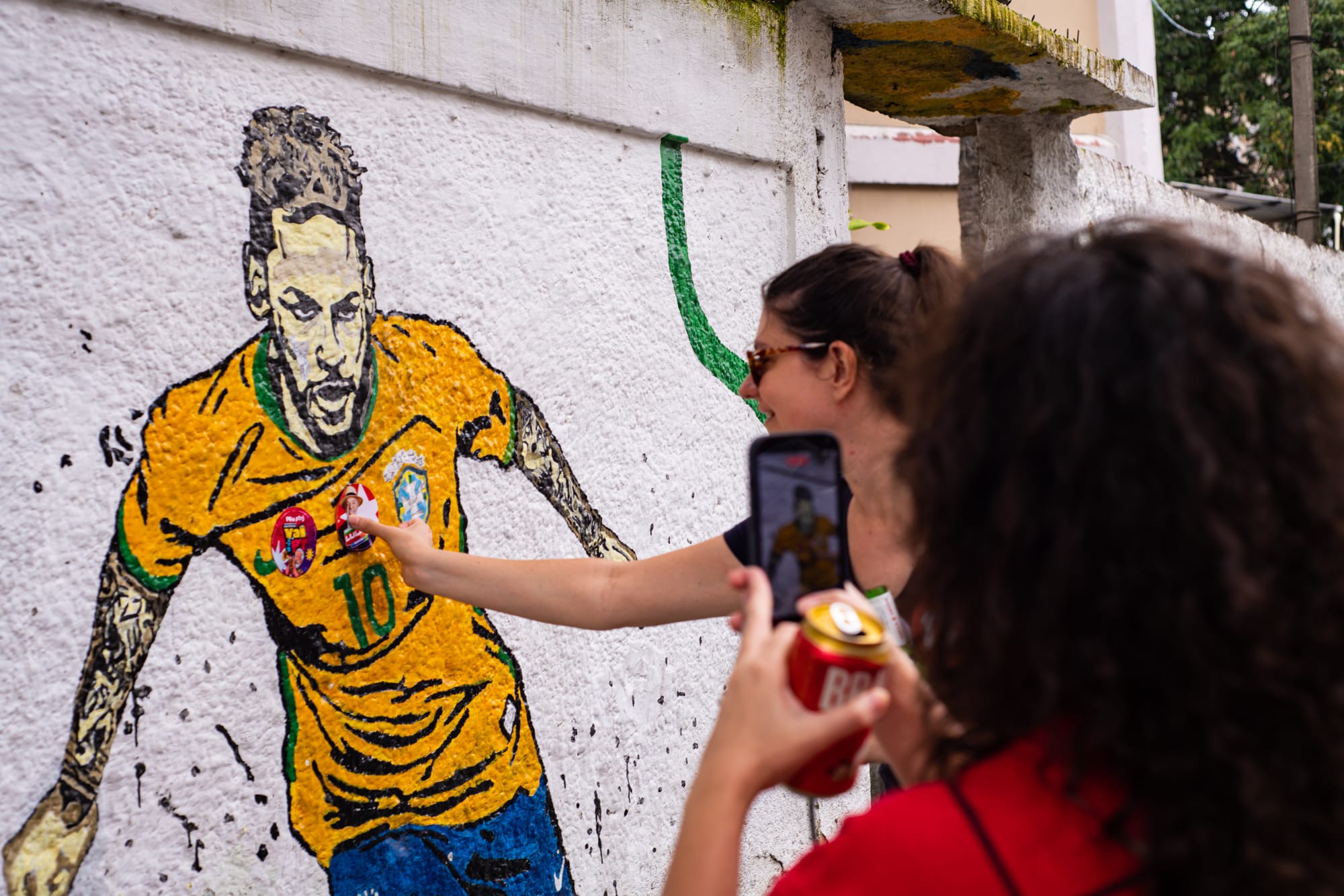
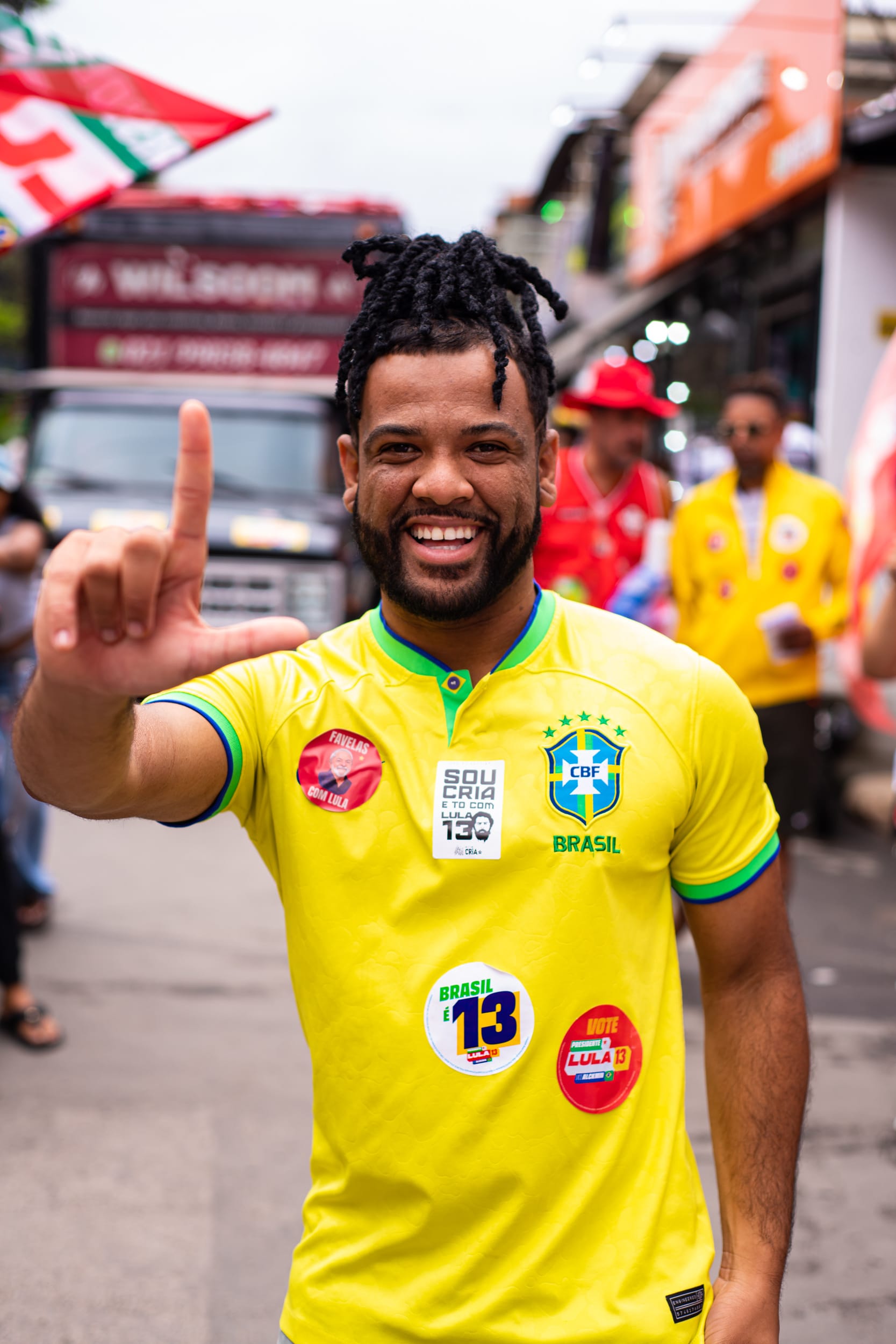
Lula, and the PT, get the W (Douglas Lopes / Bay Area Current)
The last ten years have been marked by institutional and ideological avalanches that continue to leave permanent marks on Brazilian society and shape the future of democracies worldwide. One such avalanche was the emergence of Bolsonarism—a political-ideological movement driven by ideas of the extreme right that adds a contemporary spin on centuries-old forms of violence in Brazil. The Bolsonaro family’s connections to militias — paramilitary groups that control urban territories through violence and extortion — their alliances with agribusiness, their base among rank-and-file police, military personnel, and religious fundamentalists, which all come together in the “Bullet Beef, and Bible” evangelical, ruralist voting bloc, point to just a few of the forces behind this movement.
Bolsonaro’s election as president in 2018 — two years after the parliamentary coup that ousted Dilma Rousseff (Partido dos Trabalhadores - PT, Workers’ Party) during which he dedicated his pro-impeachment vote to the dictatorship general that oversaw Rousseff’s torture — came on the crest of a fascist wave that has flooded fragile democracies and drenched structures we once considered stable.
Bolsonaro was defeated at the ballot box in 2022 by Luiz Inácio Lula da Silva, Rousseff’s highly popular predecessor, who was jailed on trumped-up corruption charges ahead of the 2018 election. Lula is perhaps the most important statesman of the global left of the last 50 years. The difficulties of rebuilding a country ravaged by Bolsonaro’s catastrophic presidential term (principally marked by climate and scientific denialism during the Covid-19 pandemic) did not impede Lula from launching new social programs, reestablishing multilateral relations (in the face of Donald Trump’s threats and tariffs), slowing down deforestation in the Amazon, and reducing hunger, unemployment, and suffering. But it wasn’t enough.
Bolsonarism still loomed. Propelled by a campaign mobilized and coordinated on social media rife with disinformation and algorithmic bias, Flavio Bolsonaro, the son of Jair — imprisoned for little over a year for attempting a coup d’état following his 2022 defeat — ran for president as a surrogate for his father and defeated Lula in the first round of voting by a narrow margin.
This defeat revealed the initial apathy of the left’s campaign — and, in turn, birthed the feelings that defined the 25 days between the first and second rounds of voting: fear and courage.
The left’s central strategy was to control the debate: exposing the rampant crime and corruption that have characterized the unremarkable political career of the perverse and unethical Flavio Bolsonaro. Many episodes of Revelando — a sleek documentary series launched on YouTube in September narrated by well-known Brazilian actors like Camila Pitanga and Wagner Moura — chronicled Flavio’s connections to the Banco Master Scandal and his plans to increase U.S. and Trump’s influence in Brazil’s economy and politics. One of the most emblematic cases exposed by the series and widely shared on social media was that of Ana Clara Gomes Machado, a five-year-old girl who died from a police gunshot in the favela of Monan Pequeno in Niterói, Rio de Janeiro. Her family is still seeking justice after Flavio Bolsonaro, then a state senator, worked on the defense of Bruno Dias Delaroli, the military police officer accused of the crime.
At the same time, the Brazilian left organized a movement to challenge the influence of social media algorithms. Since Trump’s reelection in 2024, it’s been well known that the tech bros of Silicon Valley feed their machine of global algorithmic control with neo-fascist projects and narratives. Between the first and second rounds of voting, more than 100 civil society organizations denounced Meta’s interference in the election for blocking content from the left and promoting content from the right.
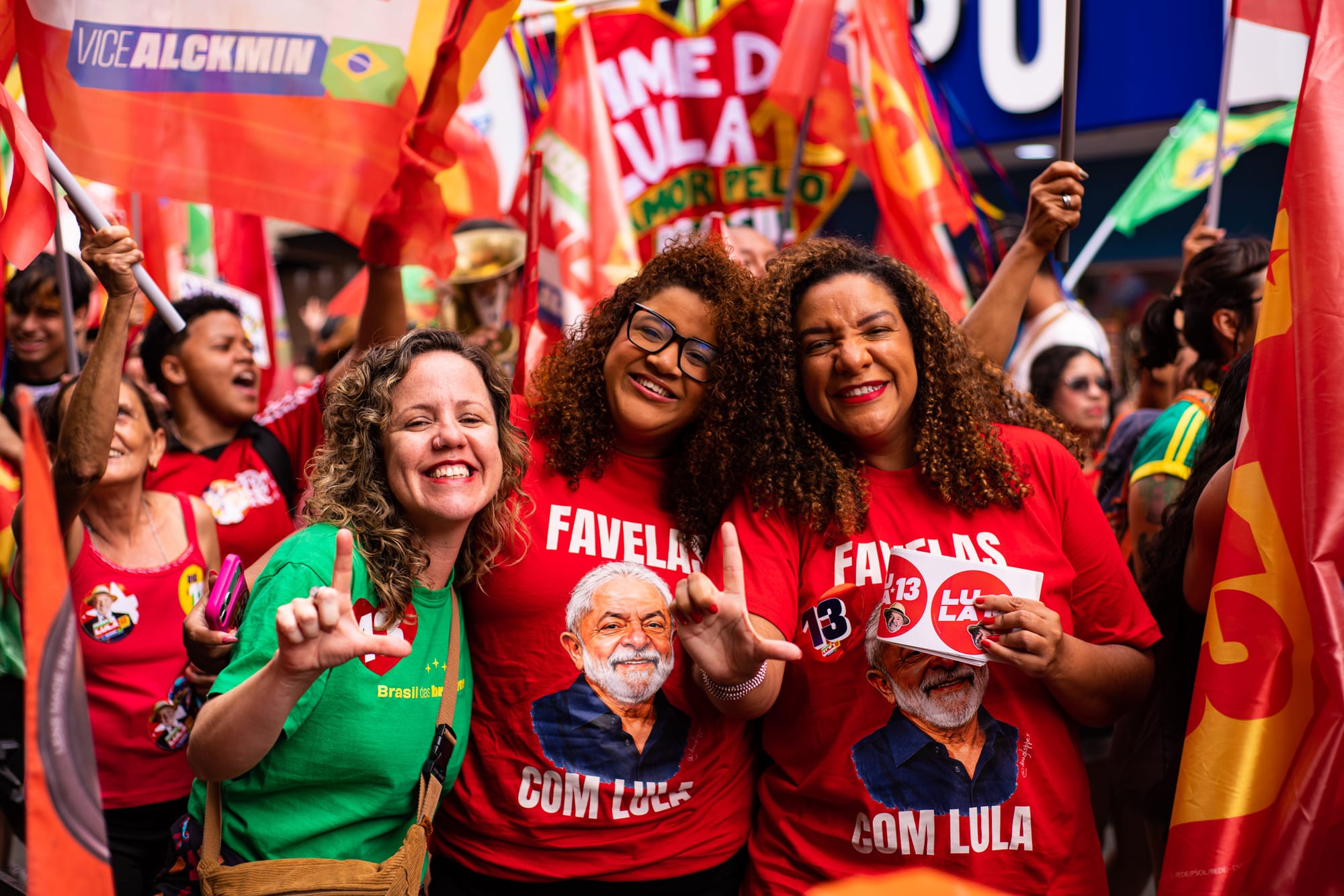
Left: Community journalist and favela activist Rene Silva, founder of Voz da Comunidade in the Complexo do Alemão. Right: Renata Souza [right], state assembly member (Socialism and Liberty Party-PSOL) from Maré. ‘L’s, for Lula! (Douglas Lopes / Bay Area Current)
Nevertheless, the left’s strategy of creating a WhatsApp group caught the world's attention. André Janones, a young, exuberant congressman of the Sustainability Network party, called upon an army to act. Known as “Lula’s Army,” the WhatsApp group responded night and day to Janones’ commands to publish strategic videos, post certain hashtags, avoid certain keywords, and comment on posts to outmaneuver search results, expose Flavio’s numerous shortcomings, and highlight Lula’s proposals and achievements. A day before the vote, Janones went live on WhatsApp for 24 hours to a group containing 10 million “soldiers”.
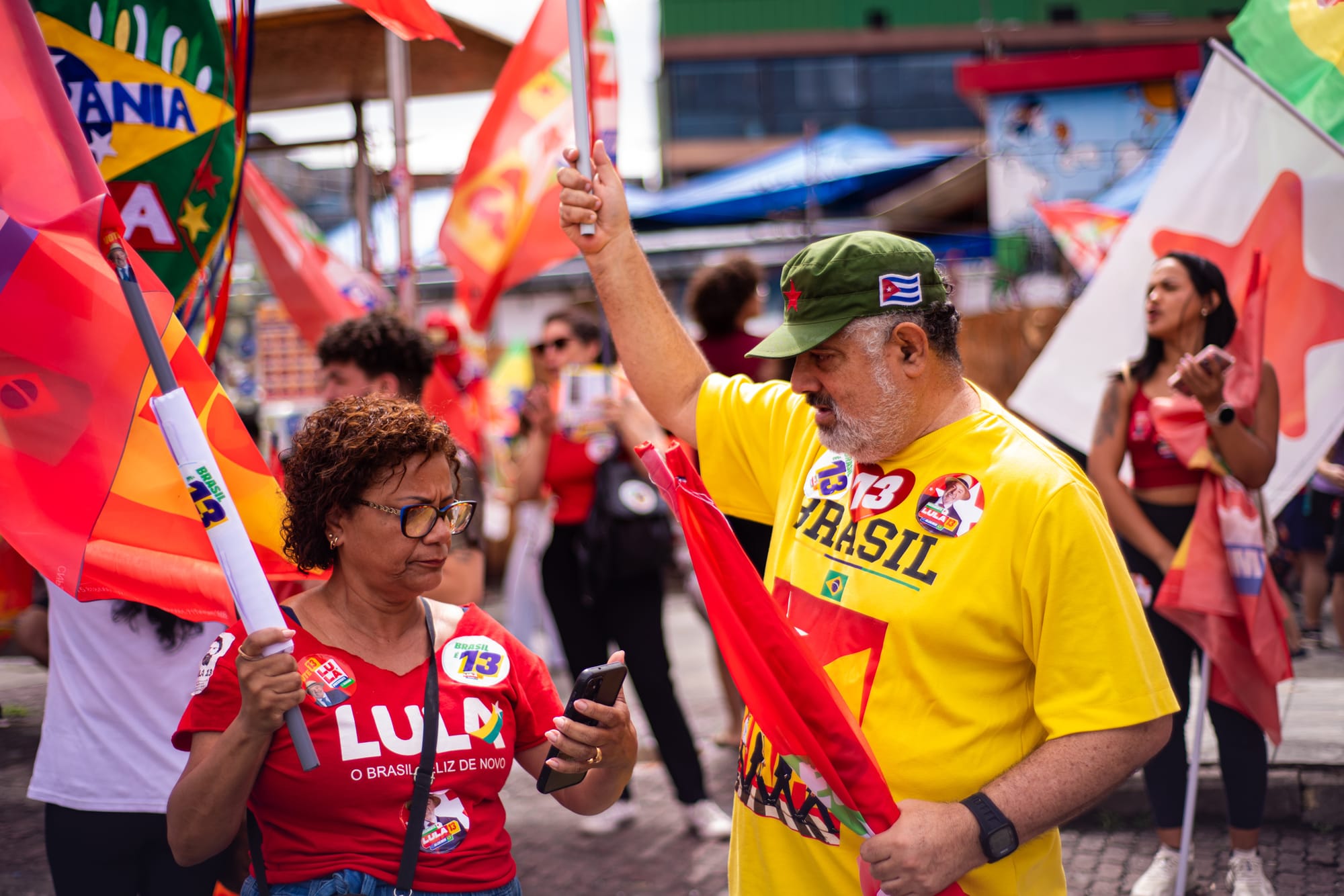
These millions of foot soldiers organized the hundreds of protests that would elect Lula, from major coastal cities to inland towns, from rural areas to indigenous reservations and quilombos (land titled to the descendants of runaway slaves), and from favelas to urban peripheries. Voters took to the streets, adorned with red flags, musical instruments, and signs with slogans and demands, determined to convince the undecided, reduce abstentions, win votes, and block the threat of fascism.
Here in Maré (a conglomeration of 16 favelas near Rio de Janeiro's international airport, where 140,000 residents live in an area of 1.7 square miles), 2,500 people took to the streets days before the election in a mobilization rarely seen in neighborhoods like these. Daily life in favelas is marked by work and getting by. Everyday residents must work to secure decent housing, basic health care, primary education, access to water and sanitation, and any leisure whatsoever. There’s little time to organize mass marches in favor of this or that candidate.
But this time things were different.
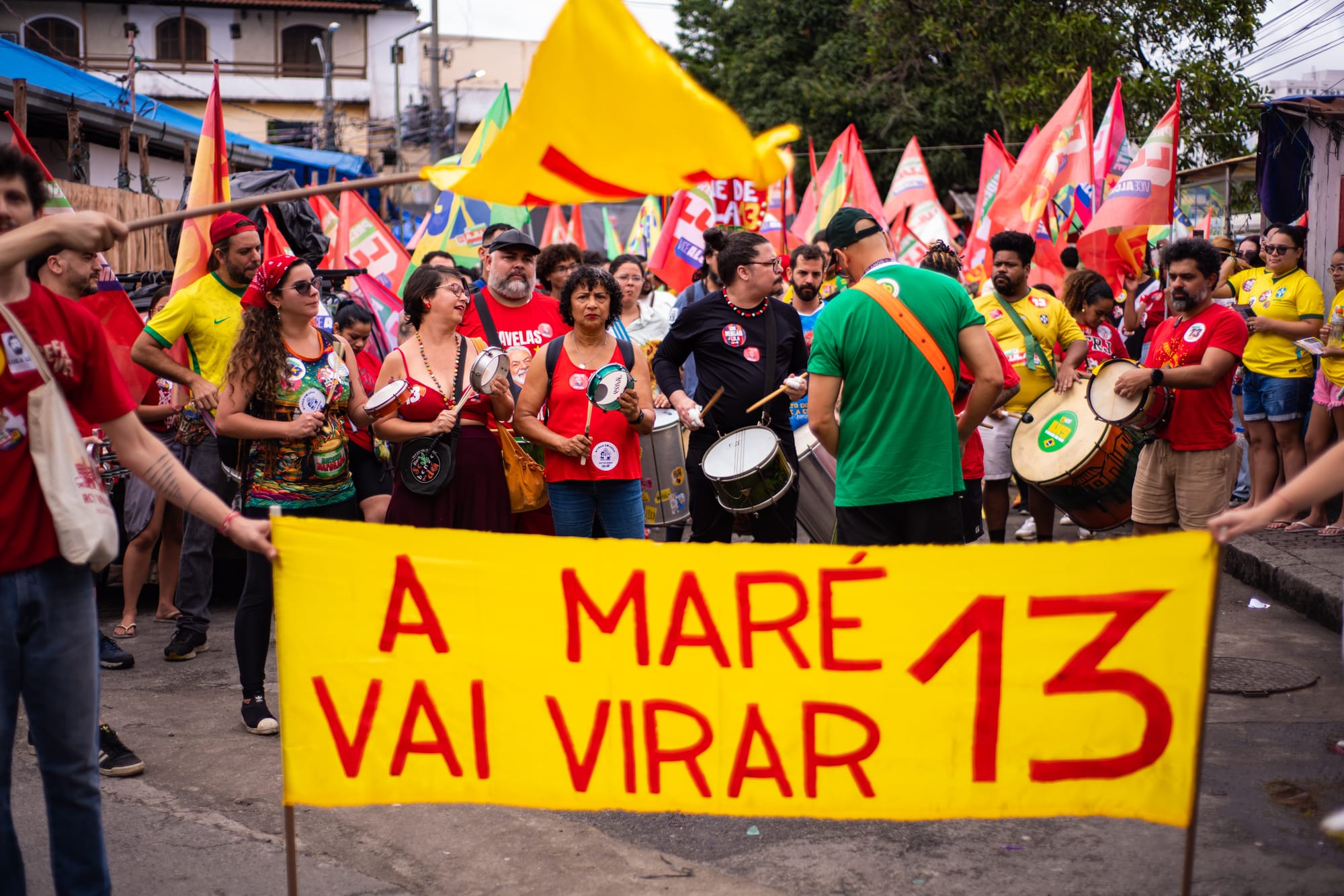
Ahead of the first round of voting, the Regional Electoral Tribunal (TRE-RJ, the election regulator for the state of Rio de Janeiro) moved some polling stations in Maré outside the neighborhood, making it difficult for residents to vote. Some residents had to walk 30 minutes to a polling station while others had no public transportation options. The official justification for the change, lo and behold, was that some polling stations were in areas controlled by armed groups [that could intimidate voters], which is at a minimum ironic, considering that the state is the main actor responsible for the violence and militarization of favelas in Rio.
The Tribunal’s decision moved 277 polling stations in 61 municipalities in Rio de Janeiro State, impacting 70,000 voters. The changes in Maré impacted 52% of the population.
This is just one layer of the state’s racism against residents of favelas in Brazil. It’s worth remembering that Marielle Franco, the Black feminist city councilwoman and defender of human rights who was assassinated in 2018, was born and raised in Maré. Denouncing state violence and defending the right to life of favela residents was a hallmark of her political trajectory.
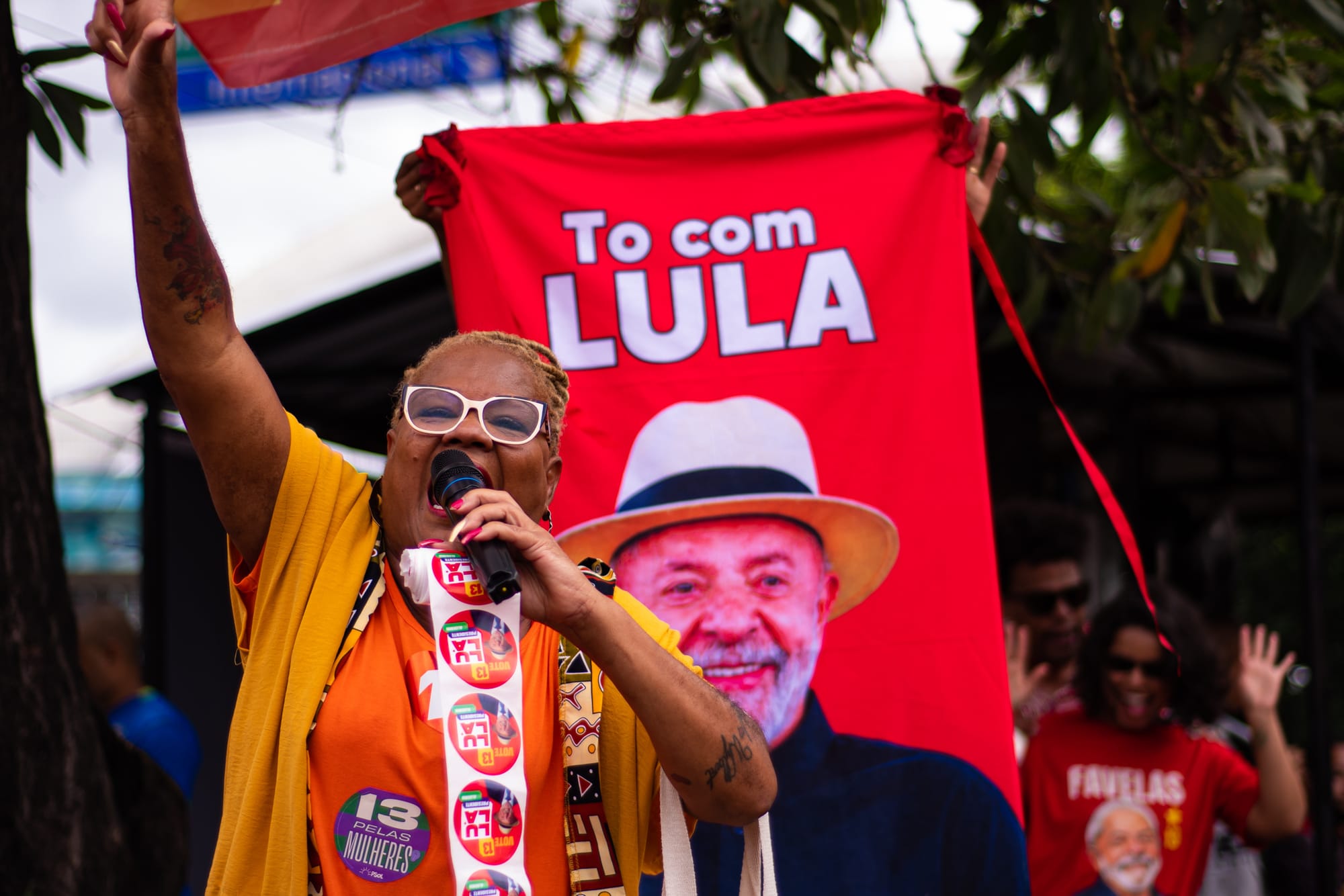
Indeed, it was favelas where polling places were moved. Certain that the majority of voters in Maré supported Lula, it seemed like the surest way to stage a comeback was to ensure that people could vote in the runoff election.
So we [members of Redes da Maré and other civil society and activist groups] formed an autonomous group of people with different levels of engagement with the community — from residents and workers to people who had never set foot in Maré — and mapped out three routes to transport residents to polling stations outside of the neighborhood. On election day, 18 cars drove approximately 840 people to cast their votes — representing a significant contribution, 9%, of the 9,000 total additional votes cast between the first and second round in Maré.
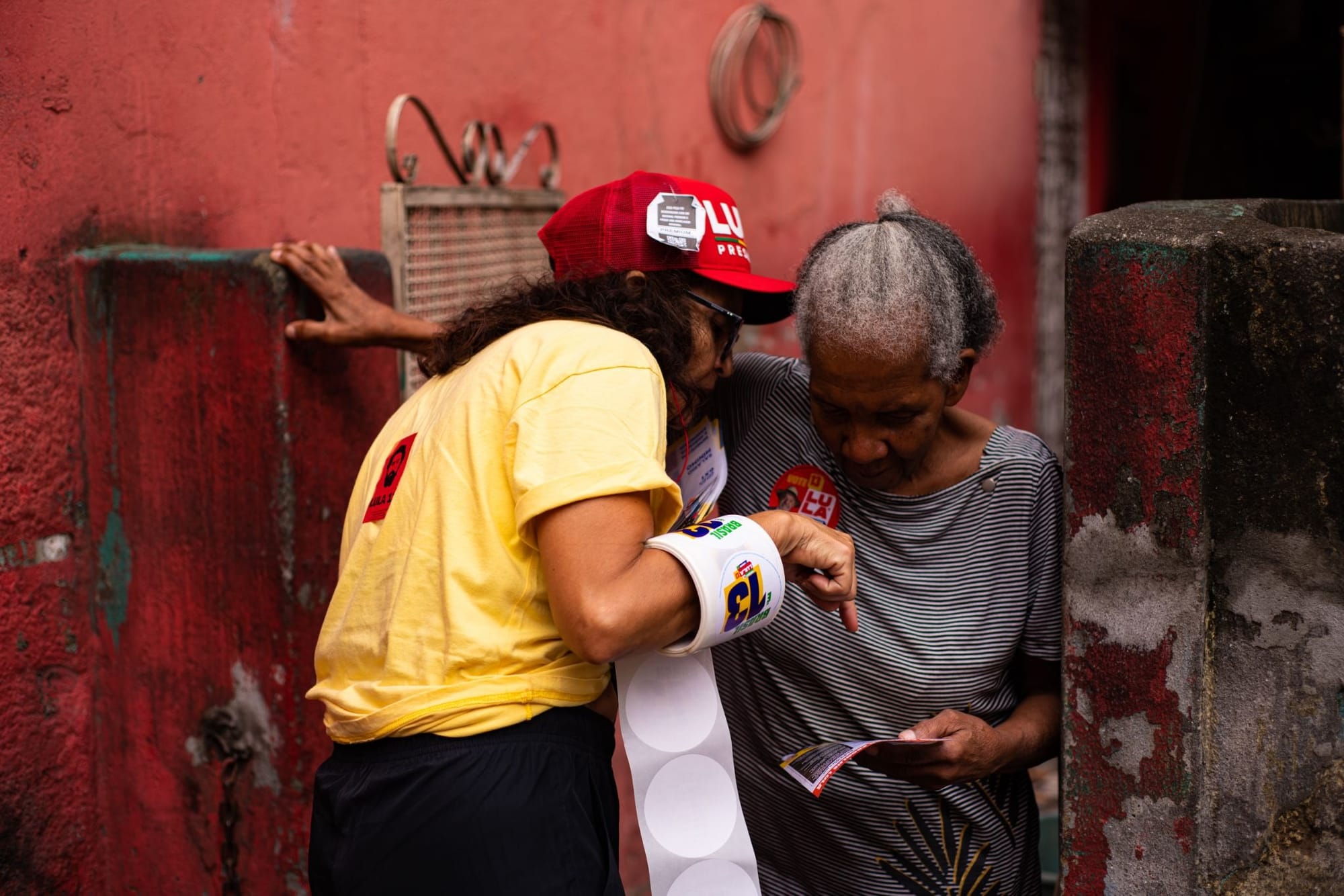
Lula’s victory resounds with love. This is because Lula is a president who walks with the people and who touches the hearts of the poorest in a country that is still rehearsing democracy. It’s clear that fascism cannot just be overcome at the ballot box. And we have seen how racism, gender-based violence, and the precaritization of workers’ lives are profoundly widespread projects in Brazilian society and that many enemies are working to make those projects stronger.
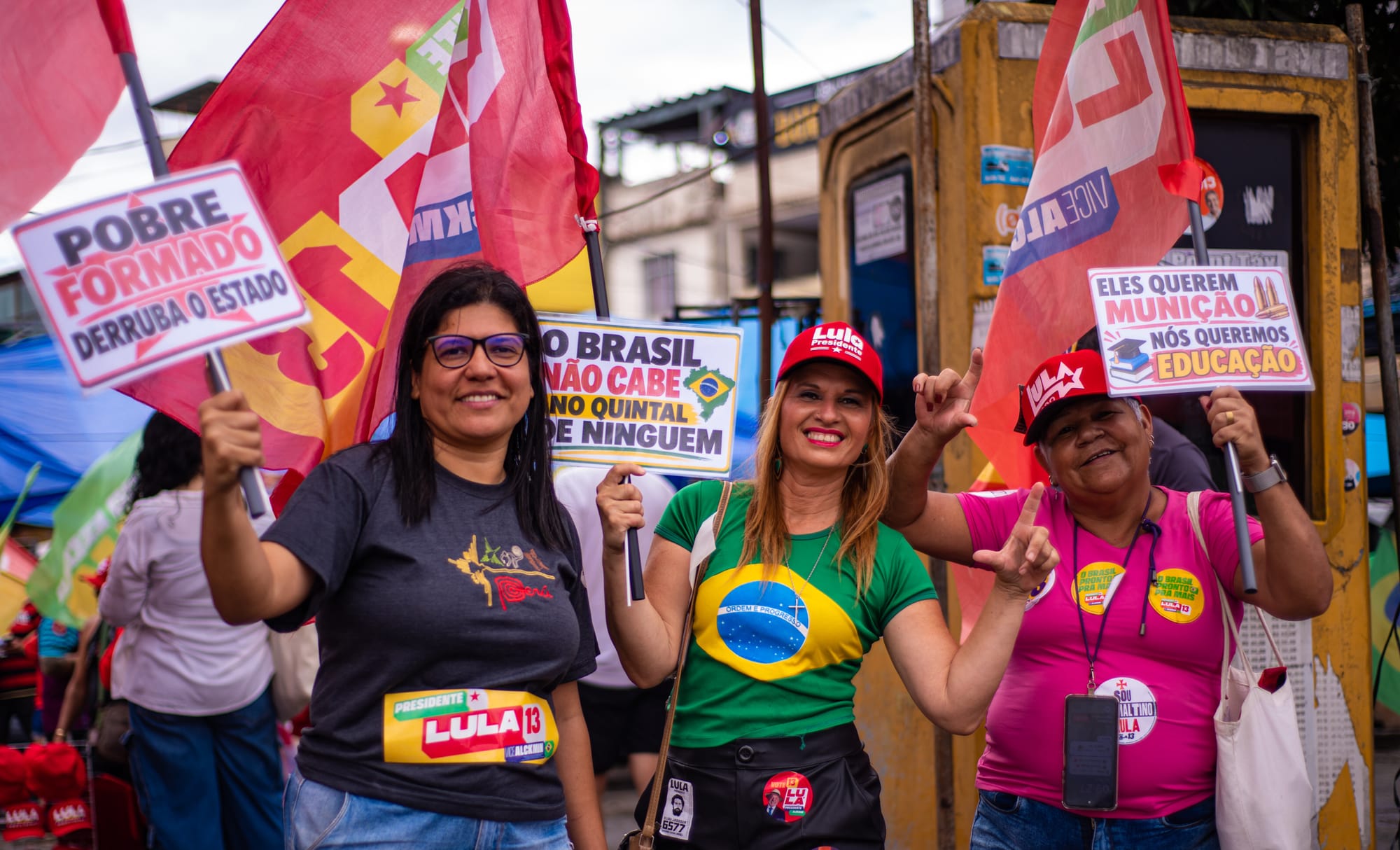
But now we go out with the vibration of the street in our bodies and a renewed feeling that we can combat fascism. Something has changed among us, and we will have to learn to sustain it, even with what now feels unimaginable, just as we did during the last three weeks and in other beautiful moments of our history. The ability to inhabit the contradictions of temporary and contextual alliances was a tremendous force that speaks to, yes, the composition [of the left], but is also distinct from the conciliatory alliances we’ve seen so many times before. There is a sense of indignation that stems from not backing down in a battle we must fight. We must embrace conflict and recognize that what we do in our daily lives can have immense effects.


What electoral candidates’ Chinese names reveal...


