
French Students Proclaim “the End of the Contemporary Era”
A report from Current’s foreign correspondents in Paris and Marseille.
A report from Current’s foreign correspondents in Paris and Marseille.
Our advice columnist Pretty Good Advice works through a breakup problem.
Tenant fights have become a mainstay in the political landscape.

Buzzballs, Orbeez, and Big Tech’s love affair with law enforcement


On Monday, July 6, two 15-year-olds rode around San Mateo in a Waymo driverless car, drinking Buzzballs and using toy guns to fire Orbeez – water-absorbing gel beads – toward other vehicles.
A remote employee monitoring the vehicle lied to the passengers, telling them that the car needed to stop for mechanical reasons. Unbeknownst to the young riders, the employee had called the San Mateo Police Department (SMPD) to report a gun firing from the car, and stopped the vehicle in a parking lot where officers were waiting. A video posted by SMPD shows at least five officers and a K-9 unit approaching the car with raised weapons. The passengers were detained and have since been released to their parents.
SMPD spokesperson Jeanine Luna confirmed that Waymo informed officers of the vehicle’s location. “We conducted a high-risk traffic stop,” said Luna. “Waymo did disable the vehicle for us in a location that we were able to set up safely. And at that point, we pulled [the passengers] out of the vehicle, searched the vehicle, and then we found what we determined to be Orbeez.”
In a Facebook post describing the traffic stop, SMPD wrote, “Parents, do you know where your teens are? Waymo does!” Other comments on the post by SMPD appear similarly flippant. One reads, “Dude, we got a report of a gun being fired from a moving vehicle! We had no idea they were minors or that the 'gun' was fake until after the fact. How would you have preferred us [to] respond to reports of a gun being fired randomly from a vehicle on El Camino Real? Please tell us how you'd respond so we can toss aside all of our training and officer safety skills and handle things the way you'd prefer.”
In response to a comment alleging that this incident constituted false imprisonment by Waymo, the police department wrote, “No one was locked anywhere. The doors weren't locked, and they had the ability to get out and leave if they wanted to.”
Unlike a traditional traffic stop, the passengers didn’t know they were being pulled over. They had no indication that police would be waiting for them when the car stopped. If they’d known, would they have gotten out? Waymo may not have trapped the riders, but in deceiving them, the service denied the kids the opportunity to make an informed decision.
The incident raises a slew of questions. Why were two kids riding alone? Waymo policy strictly prohibits unaccompanied riders under 18, with the single exception of a pilot program in the Metro Phoenix area. Reports by the New York Times and other outlets reveal that some middle- and upper-class parents are using the robotaxis as a chauffeur service to shuttle children around. It’s unclear how the San Mateo teens gained access to a Waymo, but it’s not without precedent.
Would they have behaved the same way in a ride service with a human driver? A physically present adult would likely have been able to tell that the gun was a toy, and may have been able to de-escalate without police involvement. When the only adult in the room is remote (and, as Waymo’s Chief Safety Officer revealed in a February Senate hearing, potentially overseas in the Philippines), the police might appear to be the only physical bodies available for intervention.
SMPD’s response — approaching the disabled vehicle with weapons pointed toward the windows— is a far cry from de-escalation.
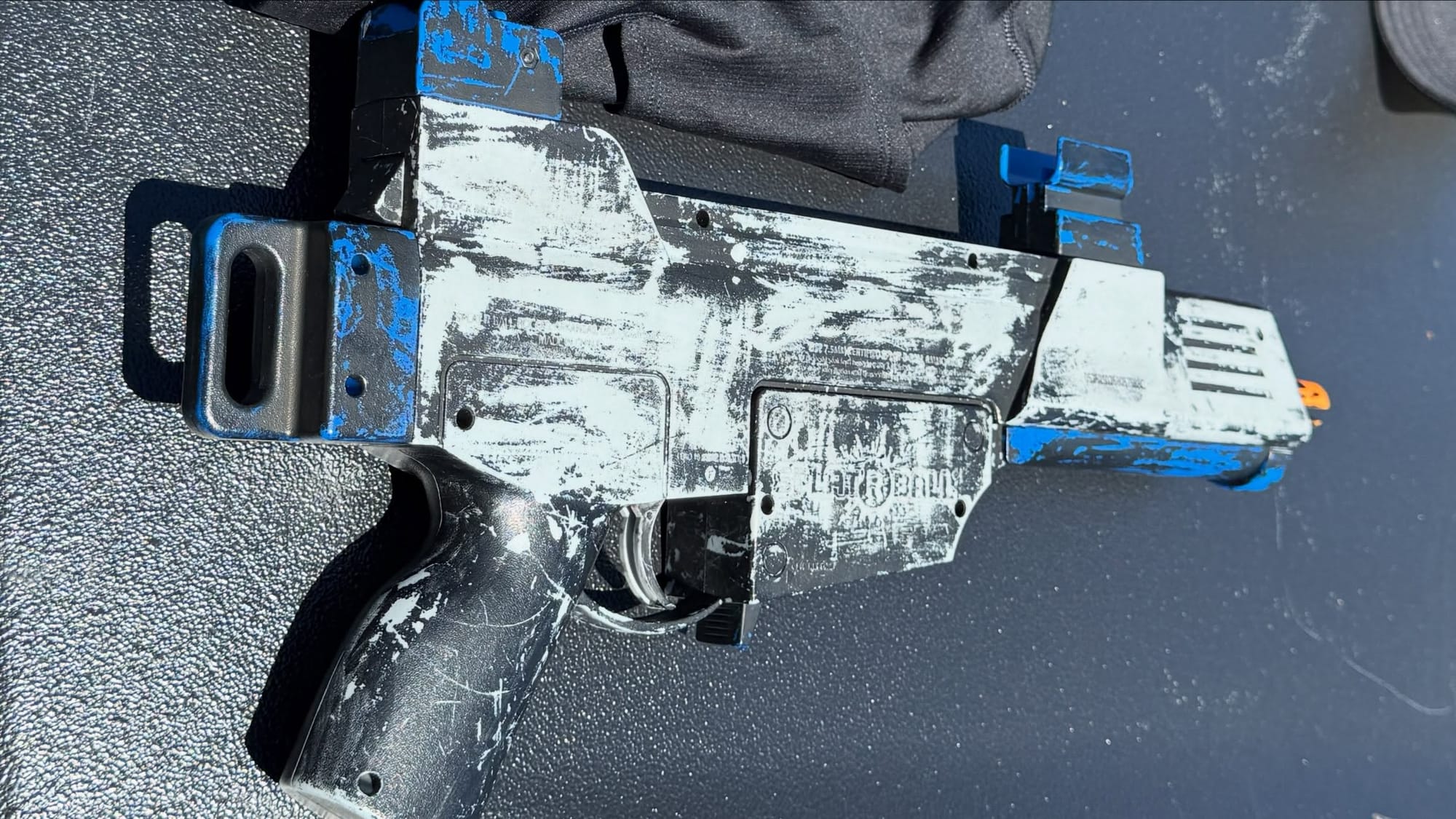
The Alphabet-owned robotaxis are equipped with cameras and microphones inside the cabin, which, in this case, enabled Waymo’s remote employee to monitor the teenage passengers. Waymo’s online support page says that the company “may review video under certain circumstances,” and may access live video during a trip “in more urgent circumstances.” In this circumstance, footage of the minors is under review by the district attorney’s office. SMPD spokesperson Luna told NPR that “potential charges are still pending dependent on what the video from inside the vehicle shows." Possible charges include underage drinking and engaging in threatening behavior.
While previous criminal investigations have relied on subpoenaed data from Waymo’s external cameras to provide evidence for outside investigations, this is the first publicly documented instance of internal vehicle footage being used to prosecute riders.
Did the San Mateo teens know that they were being recorded when they entered the vehicle, or that the footage could be used as evidence against them in criminal proceedings? They certainly could not have known, upon entering the Waymo, that it would deliver them to a waiting crowd of police.

Contrary to what Scale's 7-figure ad campaign claims, the company's ethos is anything but “centering humans.”


In Against Tech Oligarchy, two leading labor organizers chronicle the past decade’s tech worker movement.

Putrid vibes reigned at SF billionaire-funded Hamilton Society debate.


Human feces isn’t even the nastiest thing they’ve found in the backseat.