
French Students Proclaim “the End of the Contemporary Era”
A report from Current’s foreign correspondents in Paris and Marseille.
A report from Current’s foreign correspondents in Paris and Marseille.
Our advice columnist Pretty Good Advice works through a breakup problem.
Tenant fights have become a mainstay in the political landscape.

A report from Current’s foreign correspondents in Paris and Marseille.

In late September, in response to deplorable learning conditions, high school students in the working-class suburbs of Paris began to blockade the entrances to their schools and prevent classes from being held. In some schools, unfixed holes in the ceilings and floors mean that, when it rains, it rains indoors. In others, students are forced to sit and work on the ground because there are not enough desks and chairs.
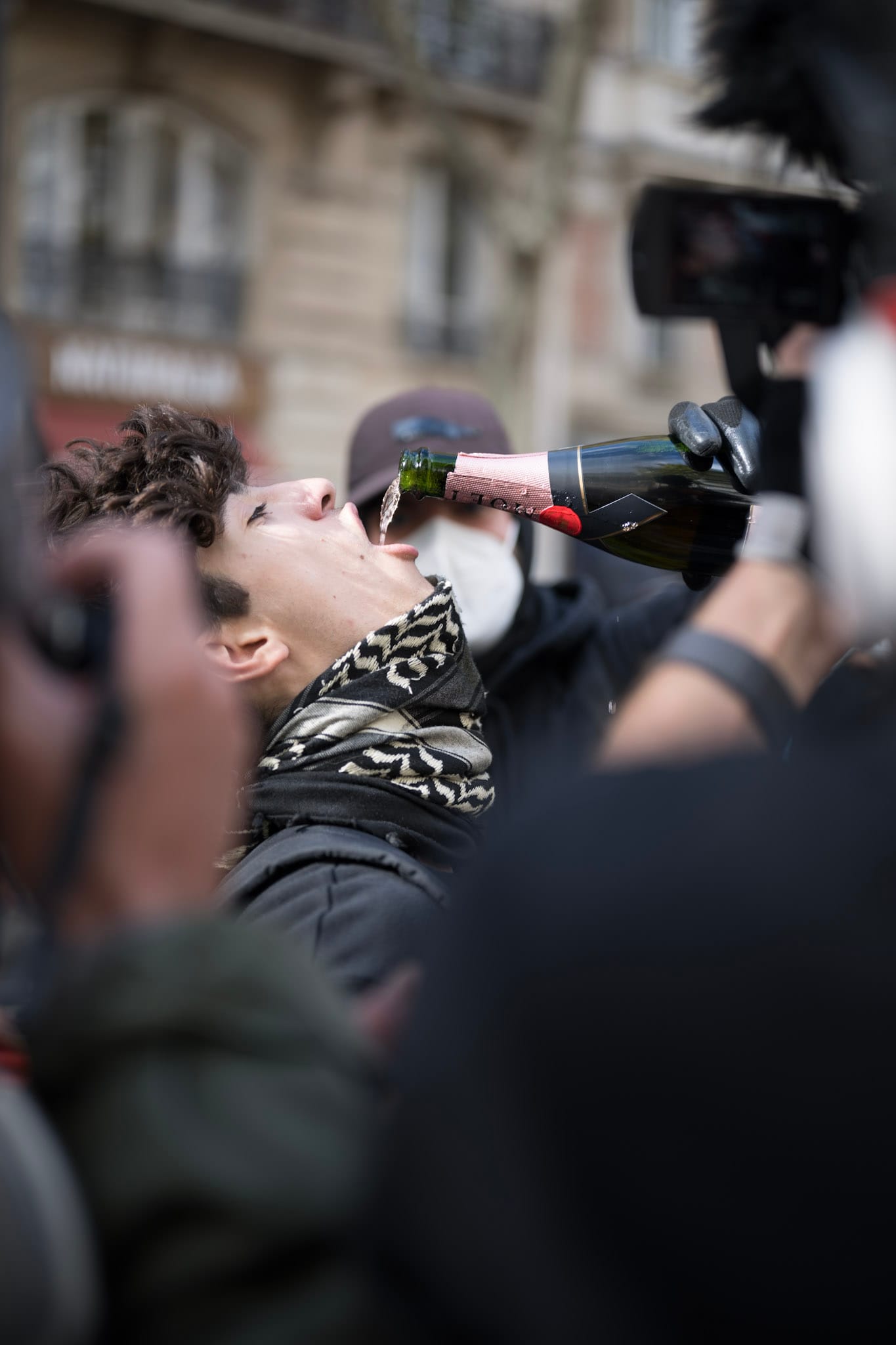
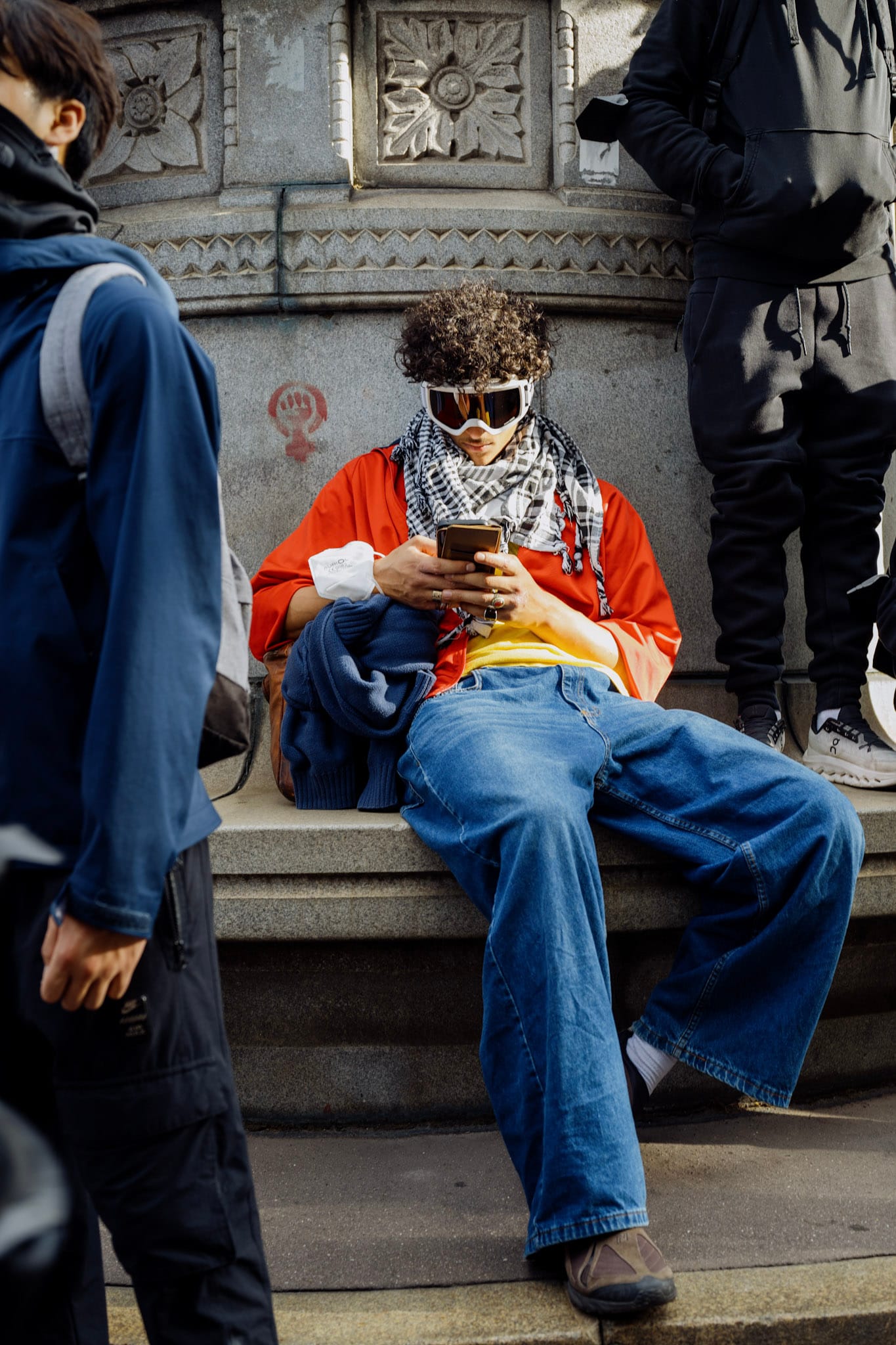
Many students were ready for anything, and most were swagged out too (Bay Area Current / Jordan Brown)
Despite growing student populations, the budget for education in France has been cut in recent years, as have teaching jobs, leading to severe staffing problems in many high schools, even those in supposedly “nicer” parts of the country. According to a major French teaching staff union, half of the middle and high schools lacked at least one teacher in September 2026.
This kickstarted a nationwide high school student movement, which has spread from the Paris suburbs to schools all across France. Since the first days of the school blockades, students have aired their concerns and worries about a country in which they feel left behind, ignored, or condemned to precarious futures in menial jobs.
In France, the high school system is much more formally segmented than in the United States: after 9th grade, students have the option of three types of school: general, technical, or vocational. In many vocational schools, where one-third of all French high school students study, they are put on track for low-wage jobs that do not offer social mobility. As in the U.S., the working class in France has suffered from a particularly acute decades-long wave of deindustrialization that has dried up the career paths that once offered quality employment. This has pushed more high schoolers to opt for the general track, and then higher education.
However, as the French government prefers to increase its military budget (by close to 25% since 2022), the university system is suffering from the same funding cuts as high schools, and higher education can no longer promise as much as it used to. These are the conditions for a mass student movement spanning the whole range of high schools and universities.
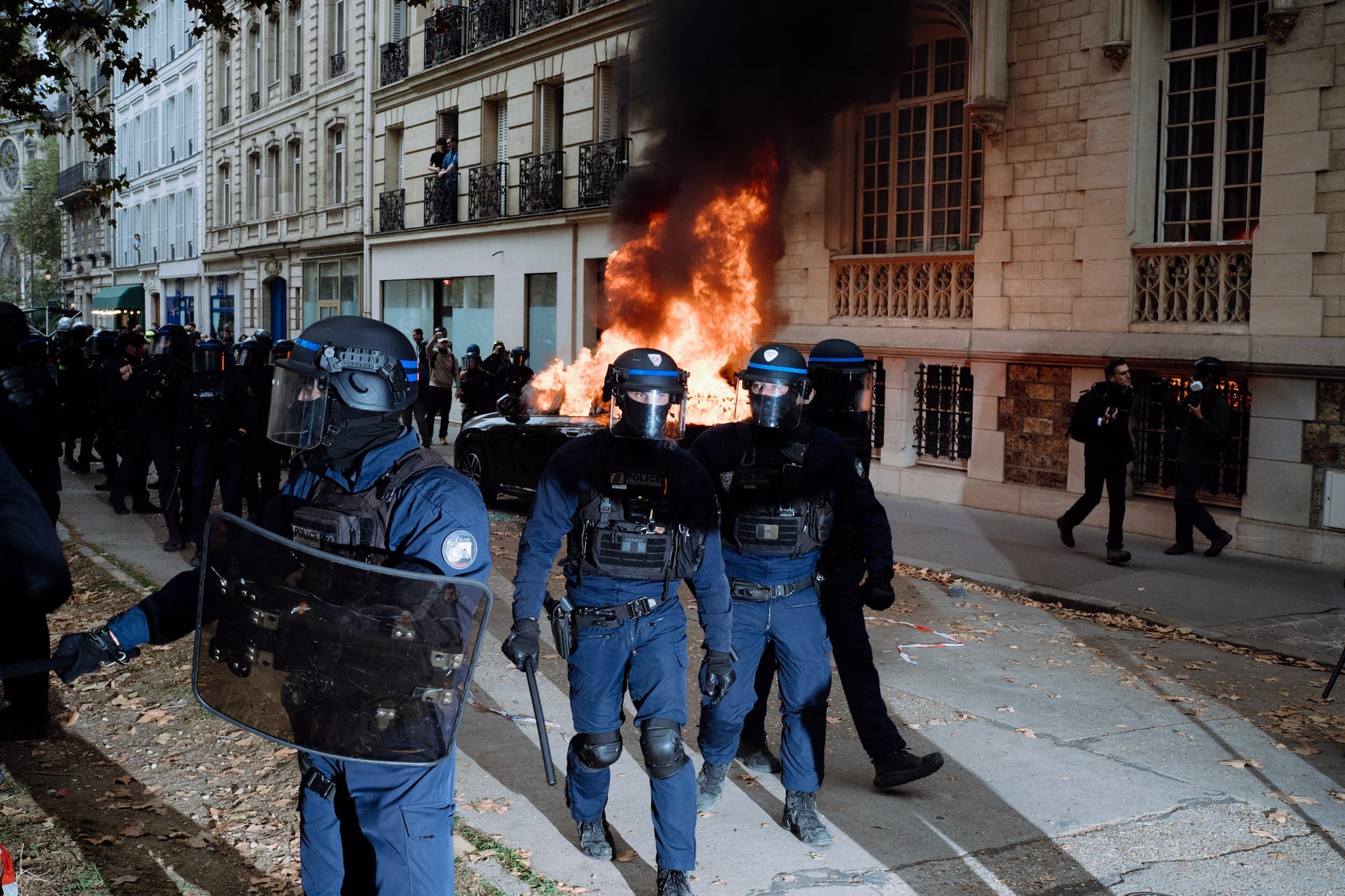
On Saturday, as barricades burned all over central Paris, girls in hijabs carried French flags as they braved tear gas and dispersal grenades to march toward the presidential palace.
So far, the government has responded with police repression, so-called "less-lethal" weapons, and an unprecedented level of arrests. Some high schoolers have lost eyes, hands, and teeth in recent weeks as the police were unleashed on teenagers. North of Paris, in Saint-Denis, teachers stood between the cops and the student protests and formed human chains to protect the kids with whom they work. In a lighter mood, some teachers joined their students in the now international Gen-Z trend of “aura battles,” the originally Latin American game where contestants face off, surrounded by a cheerful crowd, and perform all sorts of dance-like moves to gain aura points.
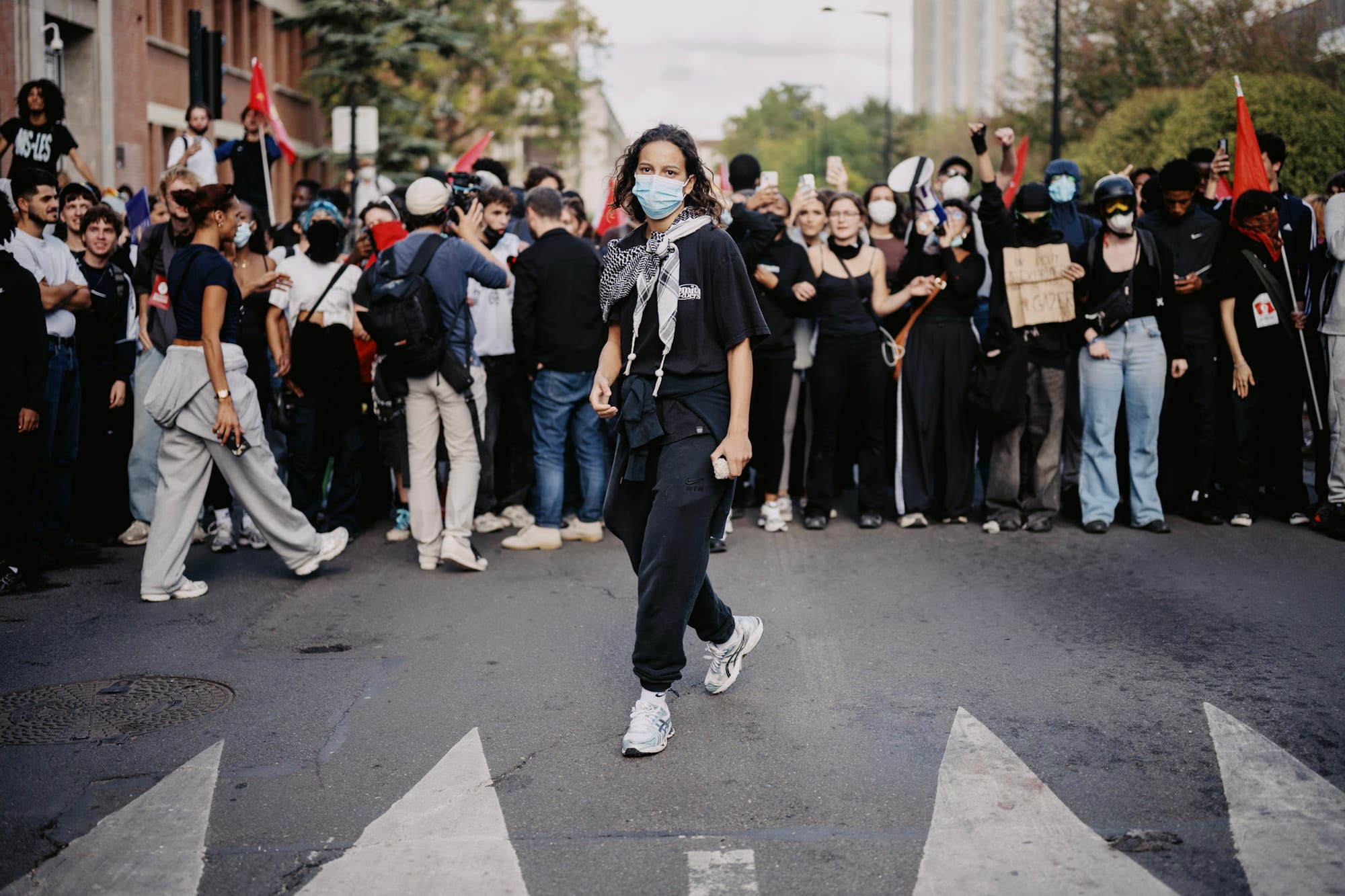
On Saturday October 17, the wave of protests reached a peak, with hundreds of thousands of people in the streets across the country. A month of high school student blockades had spread to the universities, and memes online had circulated since September calling for a massive mobilization to contest rising diesel prices and general affordability issues around the country. Civic associations and several unions followed suit and rallied behind this date.
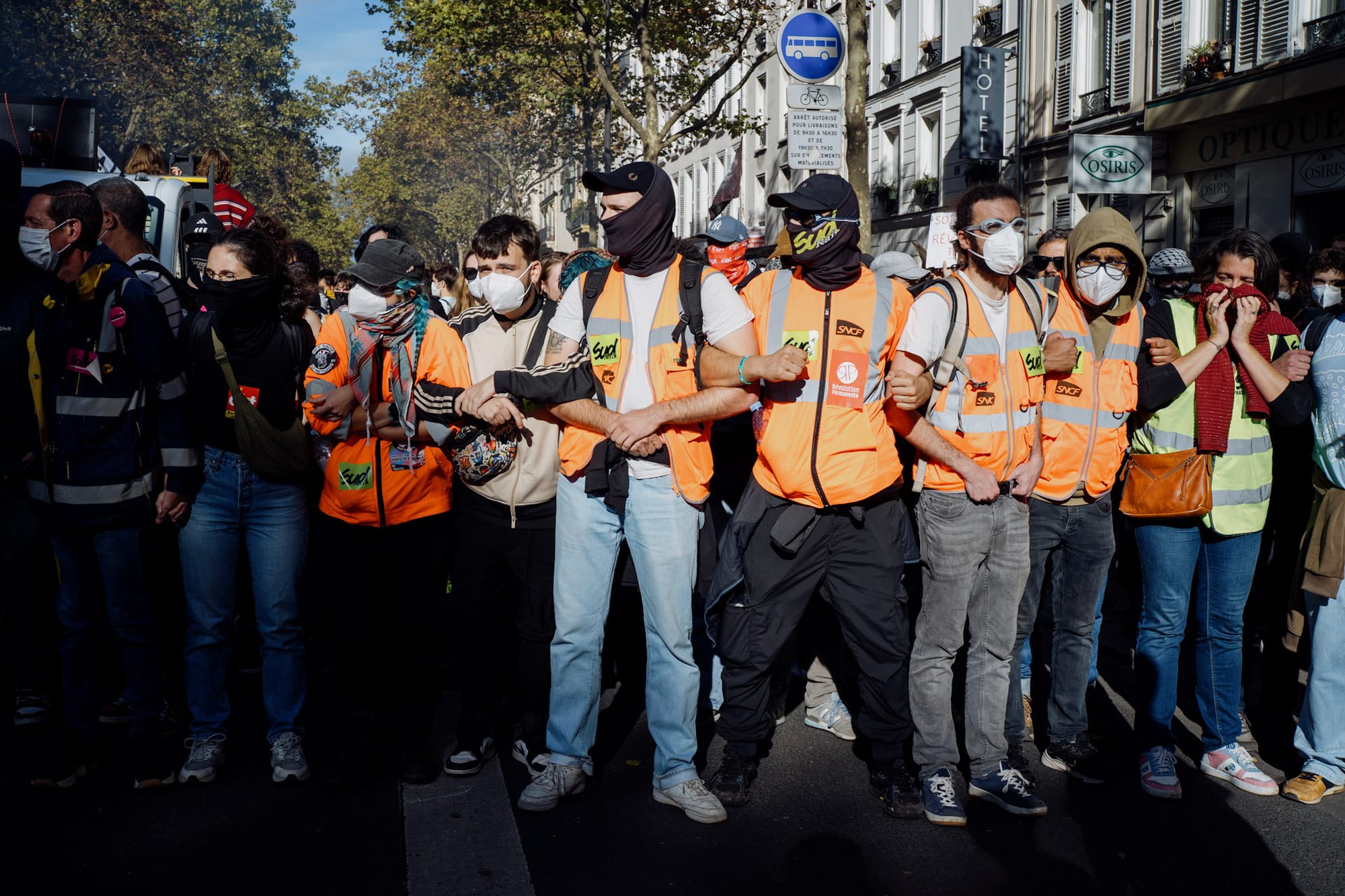
The presence and actions of high schoolers and their blockades through the month of October were undoubtedly shaped by Snapchat, TikTok, and a viral meme culture. Among the movement’s popular slogans, “Bismillah, c’est les ténèbres” has been written on signs all over the country, and even in Belgium and Spain. Used to mock the police’s infiltration methods, this nonsensical mix of the Arab expression “bismillah” (“In the name of god”) and “c’est les ténèbres” (“it’s the darkness”) was first used by what students believe was an undercover cop in a Snapchat conversation trying to convince a teenager that he wanted to join the protests.
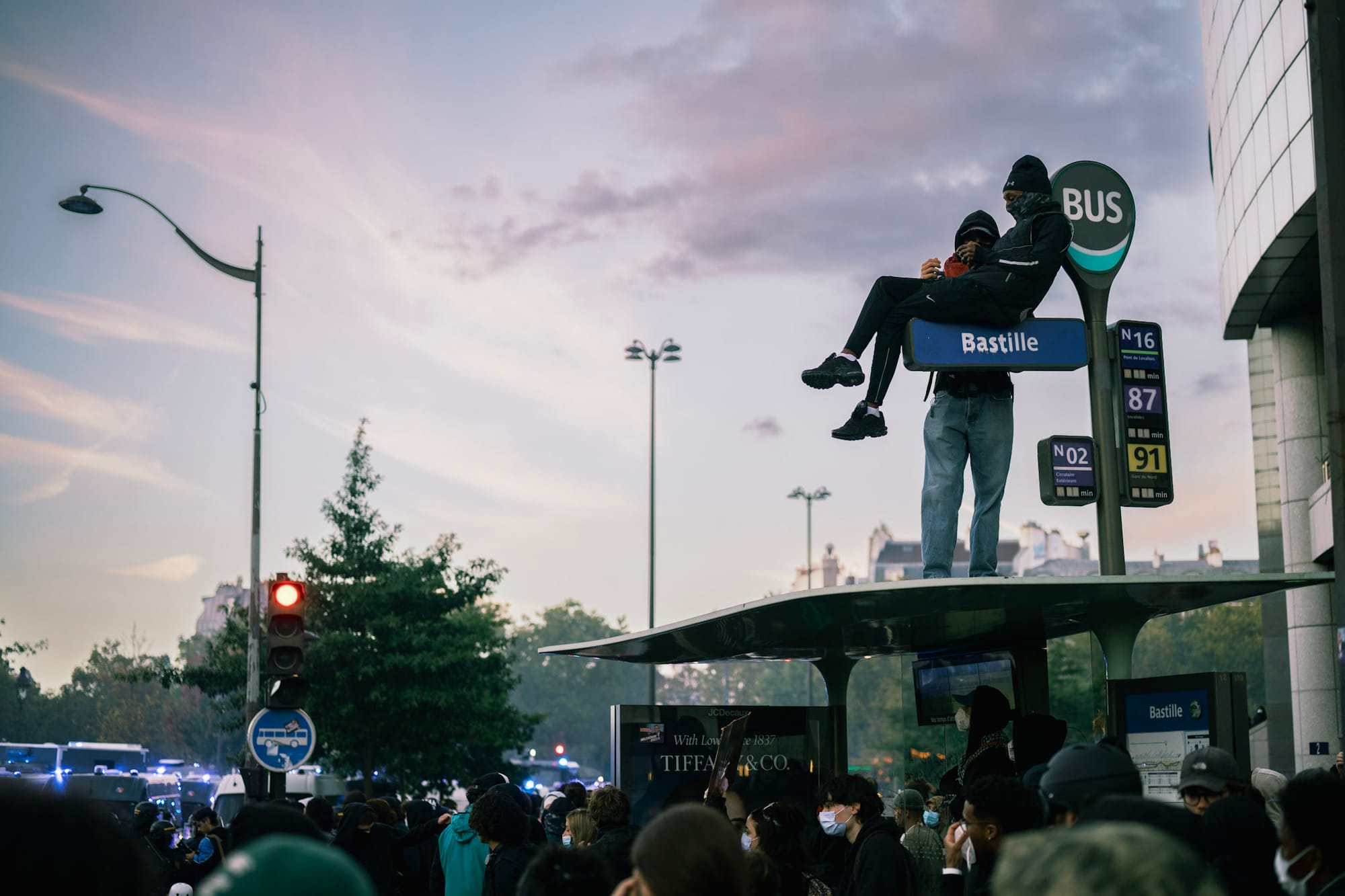
The movement and its memes culminated in online calls for the protests on the 17th to bring about “the end of the contemporary era,” the students’ own effort to playfully express the historical character of their protests. Another way that young protestors have reminded the government of their historical importance is through their online and in-person appropriation of the fluorescent yellow vest, the symbol of revolt in France associated with the movement that shook the country in the fall and winter of 2017-18. Nine years ago, the Yellow Vest protestors were generally older, whiter and often from other forgotten parts of the working class in rural or semi-rural areas.
The students stand resolutely against the futures that French capitalism offers them today.
Now, in front of their blocked high schools and in the streets, students and young people, many from Black and Arab origins, don the same yellow vest and proudly sing the Marseillaise, the French national anthem. Despite the right’s racist political discourse, these students have claimed for themselves the symbols of universalist, revolutionary France.
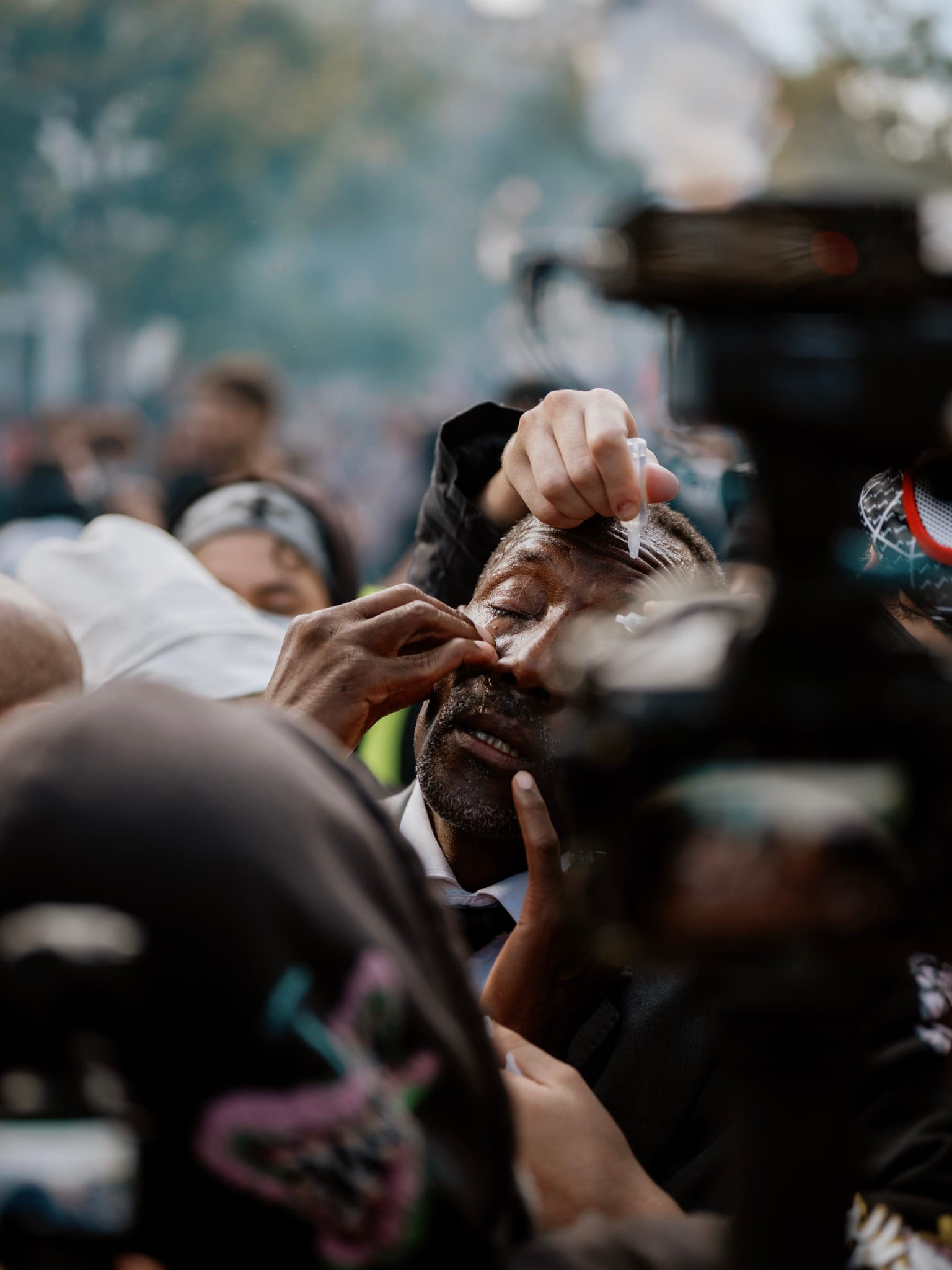
On Saturday, as barricades burned all over central Paris, girls in hijabs carried French flags as they braved tear gas and dispersal grenades to march toward the presidential palace. In Marseille, the most populous city after Paris, clashes with the police began hours before the departure time of the march, causing the police to retreat. Images of the protestors breaking into Marseille’s city hall rapidly circulated around the country.
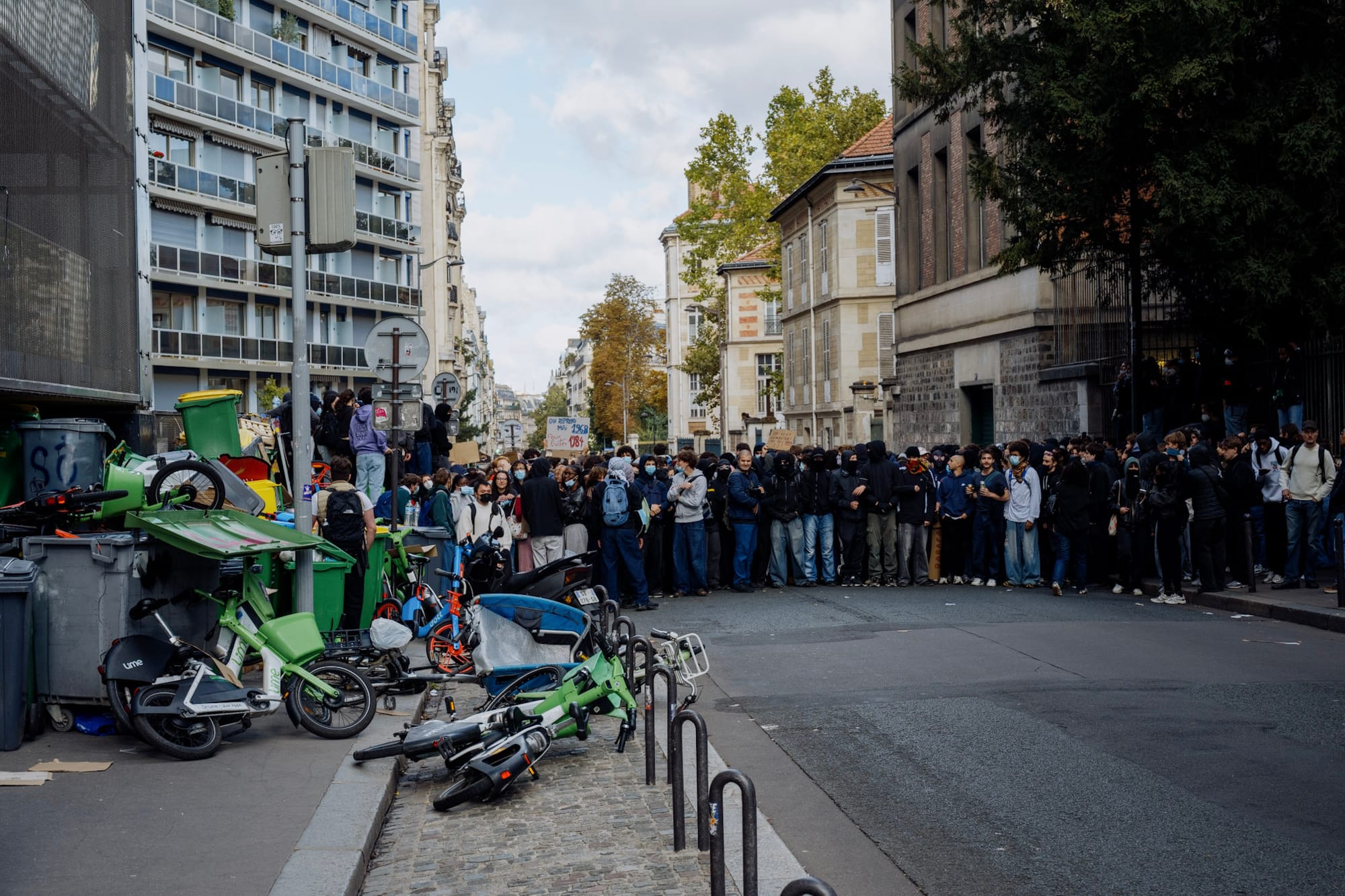
The police were unprepared for the scale of the crowds. The top cop in the country, Interior Minister Nuñez, even offered his resignation the following day — although it was refused by the president. In many cities, the police were totally overwhelmed. Luxury stores and malls were looted late into the night and in some places even on the next day.
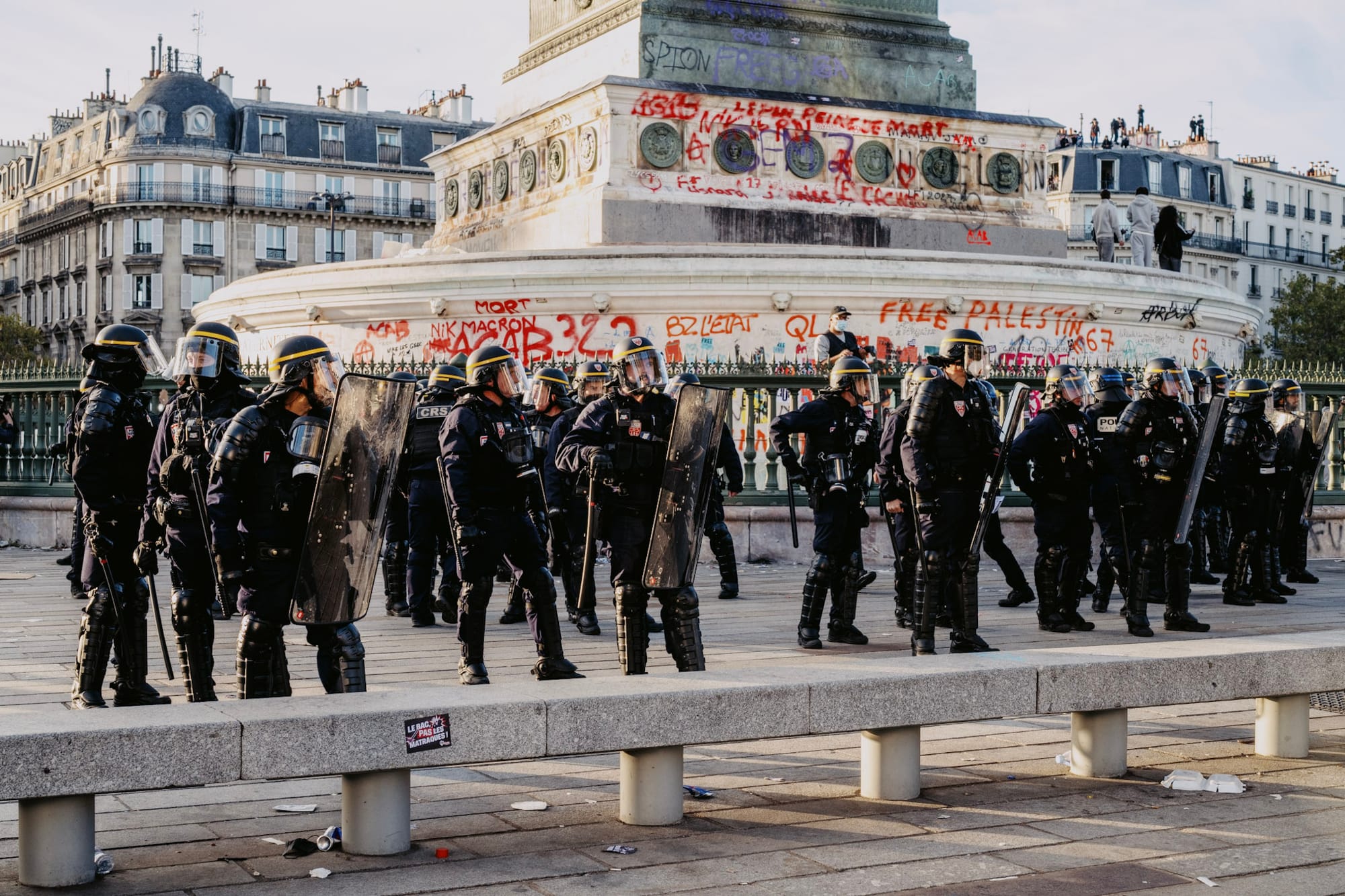
Calls have appeared online to continue the movement for an “Act Two” next week and on coming Saturdays. In the meantime, the government is banking on the two-week nationwide school holiday to dissipate the high school blockades. The government hopes that students will pick up classes again, discouraged by the colder weather and rainier days after a particularly long summer.
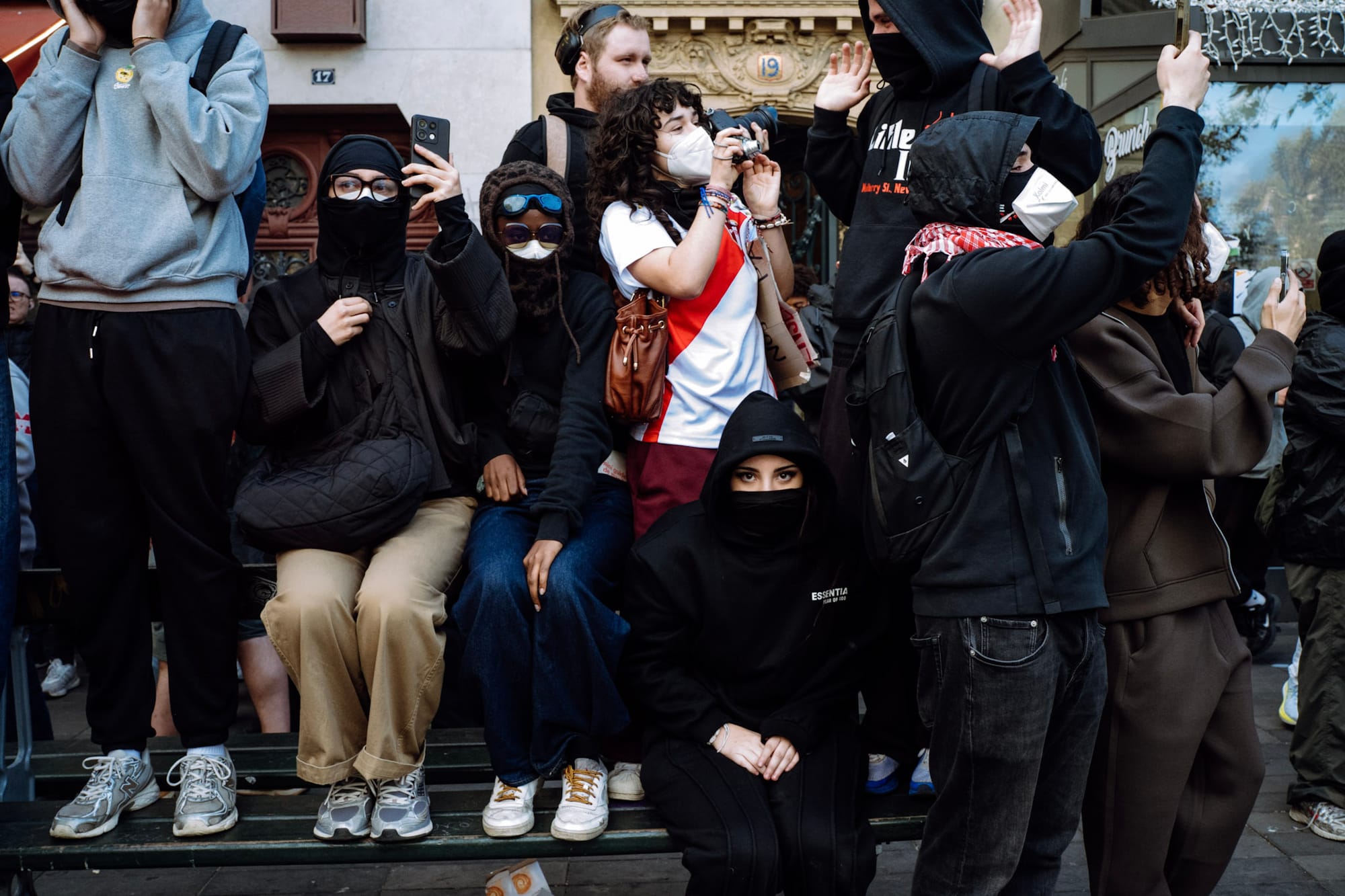
Regardless, a generation of young people has found its political voice through this period of protests. They are inspiring, and are often hilarious (we can only recommend a visit to French social media in recent weeks).
The students stand resolutely against the futures that French capitalism offers them today.
