
Bay Area Workers Fight Bosses For First Union Contracts
Hundreds of workers have unionized—but will they be able to secure wins for the long-term?
Hundreds of workers have unionized—but will they be able to secure wins for the long-term?
The company’s Integrated Behavioral Health Services workers hold one-day strike against AI.
Wallace Shawn’s ironic polemic against class society takes audiences on a psychic and physical journey after dark.
Myron Angus lists twelve films from 2025 that you should check out. Grab your popcorn, kick your feet up, and enjoy.

In 2025, when we turned to film for escape, we mostly found a reflection of the anxieties and systemic forces imperiling us. Keenly aware of this, many of the best filmmakers of the year laced their stories and performances with a playfulness and humor sharp enough to cut through the chaos and reveal the tender, complex humanity at stake underneath. For such a heavy year, I laughed a surprising amount at the movies. Sometimes, laughter and rebellion are the only choices left. In alphabetical order, here are twelve films from 2025 that you need to check out.
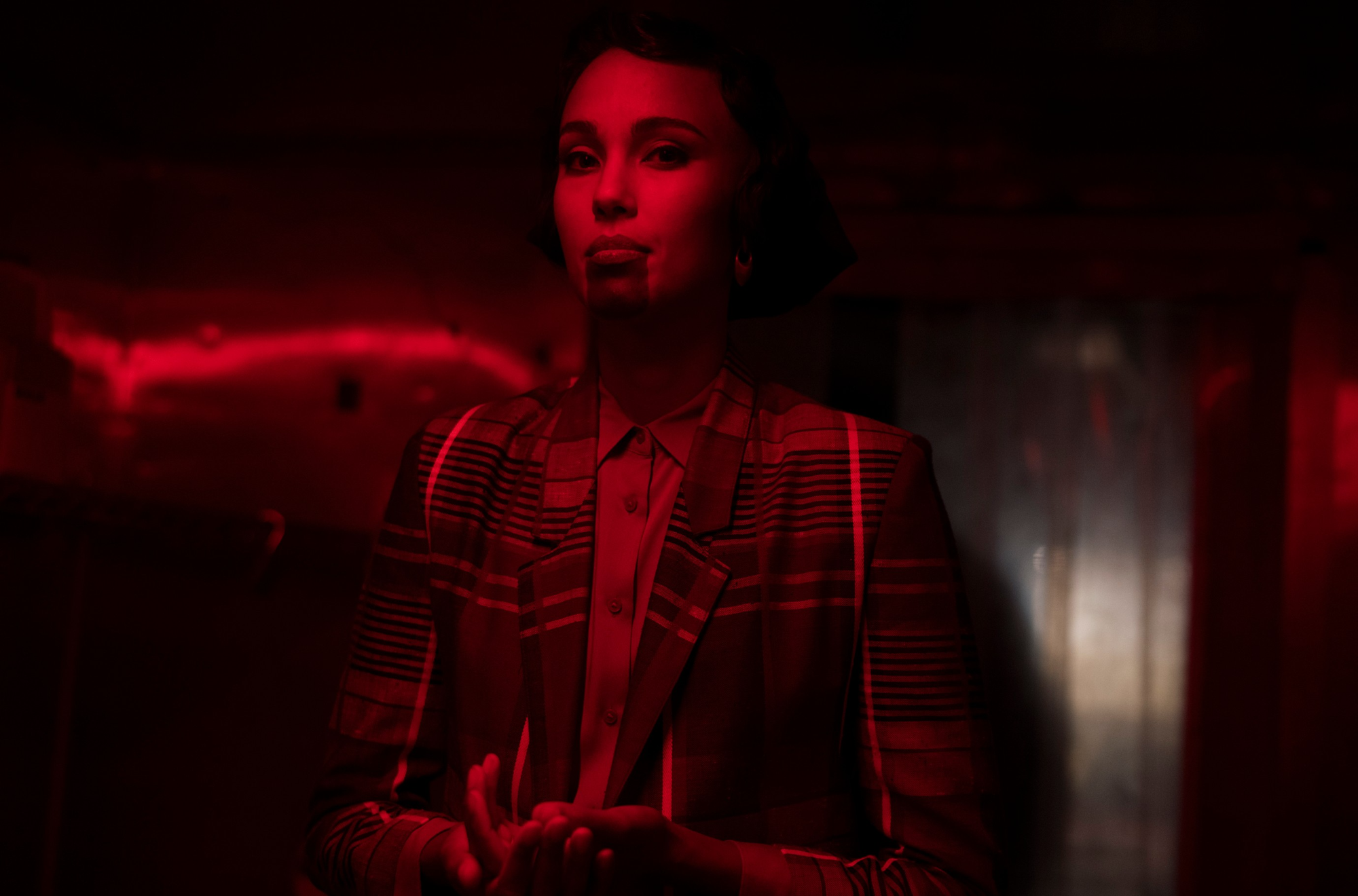
Experimental video artist Kahlil Joseph (Beyoncé’s “Lemonade,” Kendrick Lamar's “Good kid, m.A.A.d city”) structured his kaleidoscopic feature film debut “like a music album.” It’s easy to see what he means when you surrender to the textures and rhythms that make his film so unique. Not quite a documentary, not quite a visual album, BLKNWS strikingly flits between artistic disciplines, competing ideologies, irreverence and poignance — sometimes all within the span of a minute — in service of its confrontational agenda of news told through the eyes of black radicals. Its most formally inventive passages remind me of my favorite mixtapes that are unafraid to trade convention for the freedoms that free association and flights of fancy afford you. Artists, Black feminists, filmmakers, Black Power, and sci-fi all rub shoulders in this Afro-surrealist spaceship across time and space and memes from Twitter and Vine. Oh, and the soundtrack slaps.
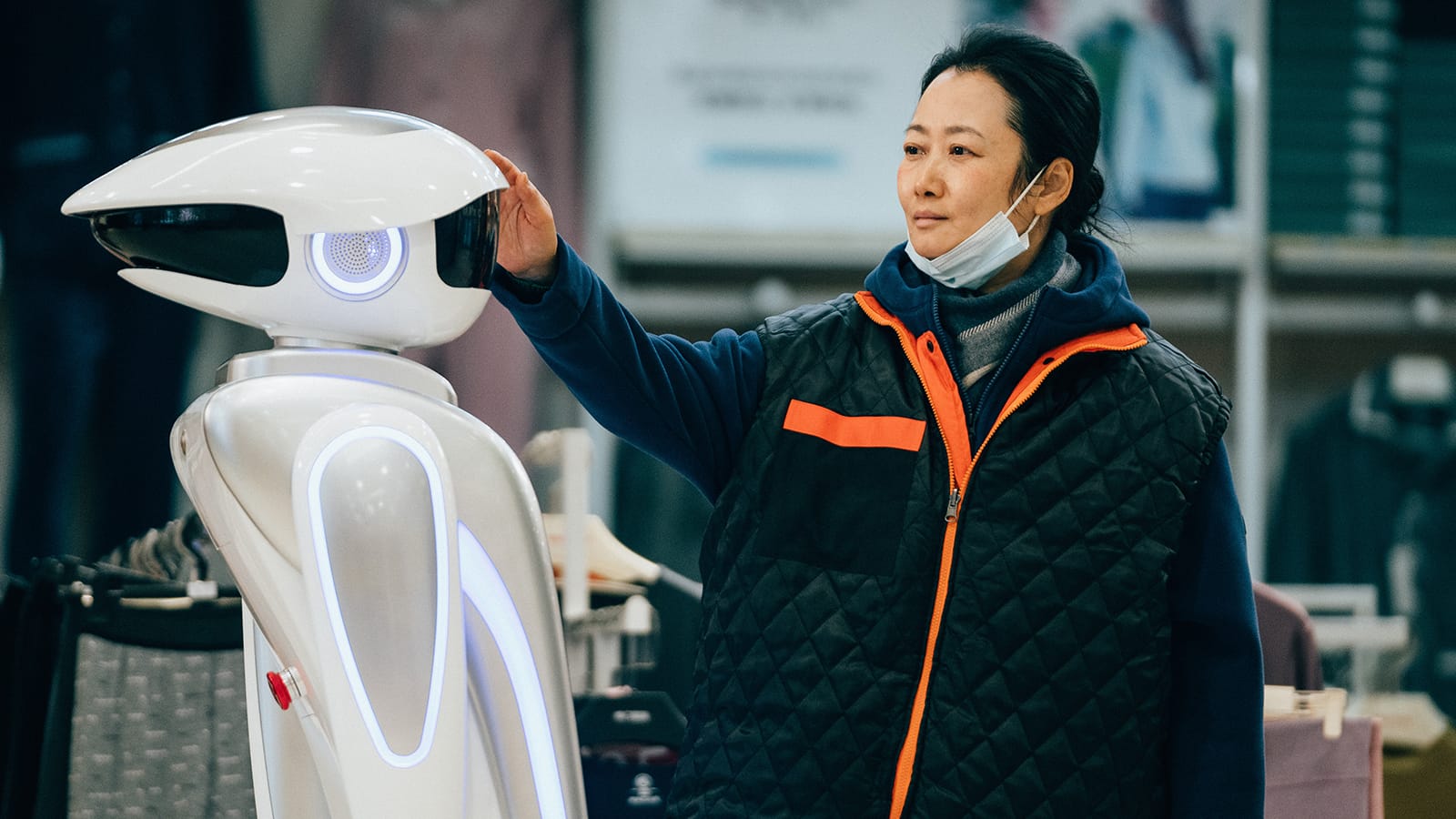
In his experimental romantic drama, director Jia Zhangke remixes the past two decades of his own filmography tracking the human fallout of China’s colossal recent social change, sculpting new meaning out of the shivering clay. Jia presents scenes both new and unused as fragmented memories slipping in and out of grasp, flying by in a flurry of nightclubs, demolished cities, and the everyday lives of a people in transition. The enigmatically charismatic Zhao Tao is the glue that holds it all together. Every expression on her face as returning heroine Qiaoqiao transfixes as she sails, dances, and tases her way across the radical economic transformation of contemporary China in search of emotional and existential meaning. That meaning is made from bricolage; there is a deep and melancholic sensitivity in Jia’s remarkable ability to build and infer critical narratives out of seemingly disparate historical landmarks when placed next to each other. This soundtrack slaps, too.
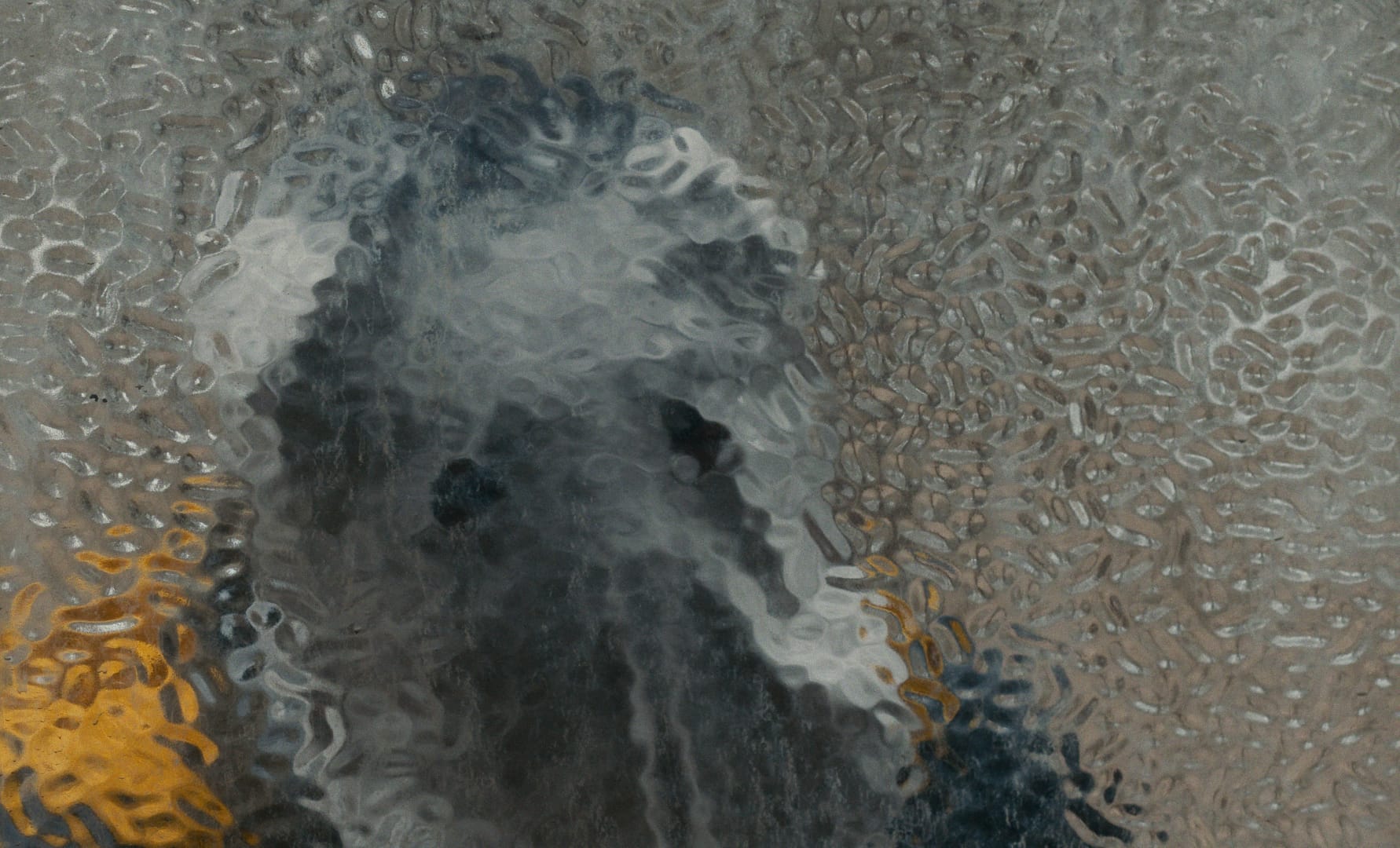
Scalpers beware — Kiyoshi Kurosawa is onto you! An elder statesman of horror (see his classics Pulse and Cure if you haven’t already) at the top of his formal filmmaking prowess has fixed his sights on 21st century anxieties, in this case online scalpers and scammers. The mechanism is modern, the concept is timeless: purchase a bunch of goods in bulk and opportunistically resell them for profit. Throw in some scamming, and you’ve got yourself a pretty (illegal) profitable enterprise. Kurosawa crafts an inverted revenge thriller around our scalper protagonist Ryosuke, imagining a personal horror for him that is so absurd that you can’t help but laugh. What if all your opps united against you in an online hate forum and convened IRL to make you pay for your sick, sick scalping habit? I’d be lying if I said I didn’t gleefully relish all the stress and misfortune that befell our scammer protagonist (getting concert tickets is a nightmare these days, okay!), but it could never be as simple as a rote revenge fantasy with Kurosawa. Cloud is a dish best served ice cold.
“There’s a new Tim Robinson out that’s supposed to be nuts, we should go see that.” Tim Robinson locates the absurd in the everyday by inviting you to laugh at a character that refuses to deal with the norms we use to cope with the cognitive dissonance required for modern existence. Friendship dares to ask: what would happen if you had to sit with the same Tim Robinson character, in this case “Craig Waterman,” slowly losing his mind over the course of an hour and forty-one minutes? The answer: hilarity and hysteria. Loneliness and anxiety make a bizarre jester of Robinson’s suburban family man Craig when he develops an obsession with his new suave neighbor, Paul Rudd’s handsome Austin Carmichael. Some of the sick pleasures of this male bonding satire lie in Robinson and director Andrew DeYoung’s flirtation with the aesthetics of horror and surreality that escalate with Craig’s paranoia. “People are saying it’s actually nuts, it’s drivin’ people crazy.”
Many of the best filmmakers of the year laced their stories and performances with a playfulness and humor sharp enough to cut through the chaos and reveal the tender, complex humanity at stake underneath.
Jafar Panahi’s It Was Just An Accident begins with a chance encounter between working mechanic Vahid in Tehran, and the man who once tortured him in political prison on behalf of Iran’s authoritarian regime. Struck with immeasurable fear, Vahid “acts first” and kidnaps his oblivious former tormentor, inviting the audience to do the “thinking later” for the rest of the movie. Shot in restrictive secrecy and drawing from lived experience with political imprisonment (triggering new state-mandated penalties post-release), Panahi mixes tense thriller with absurd situational comedy and tests the moral limits of vengeance. Tragedy and comedy collide, rendering the searing pain from such a history of violence more navigable but no less bruising. Tender, angry, and soulful, Accident boasts a climax and an ending for the ages.
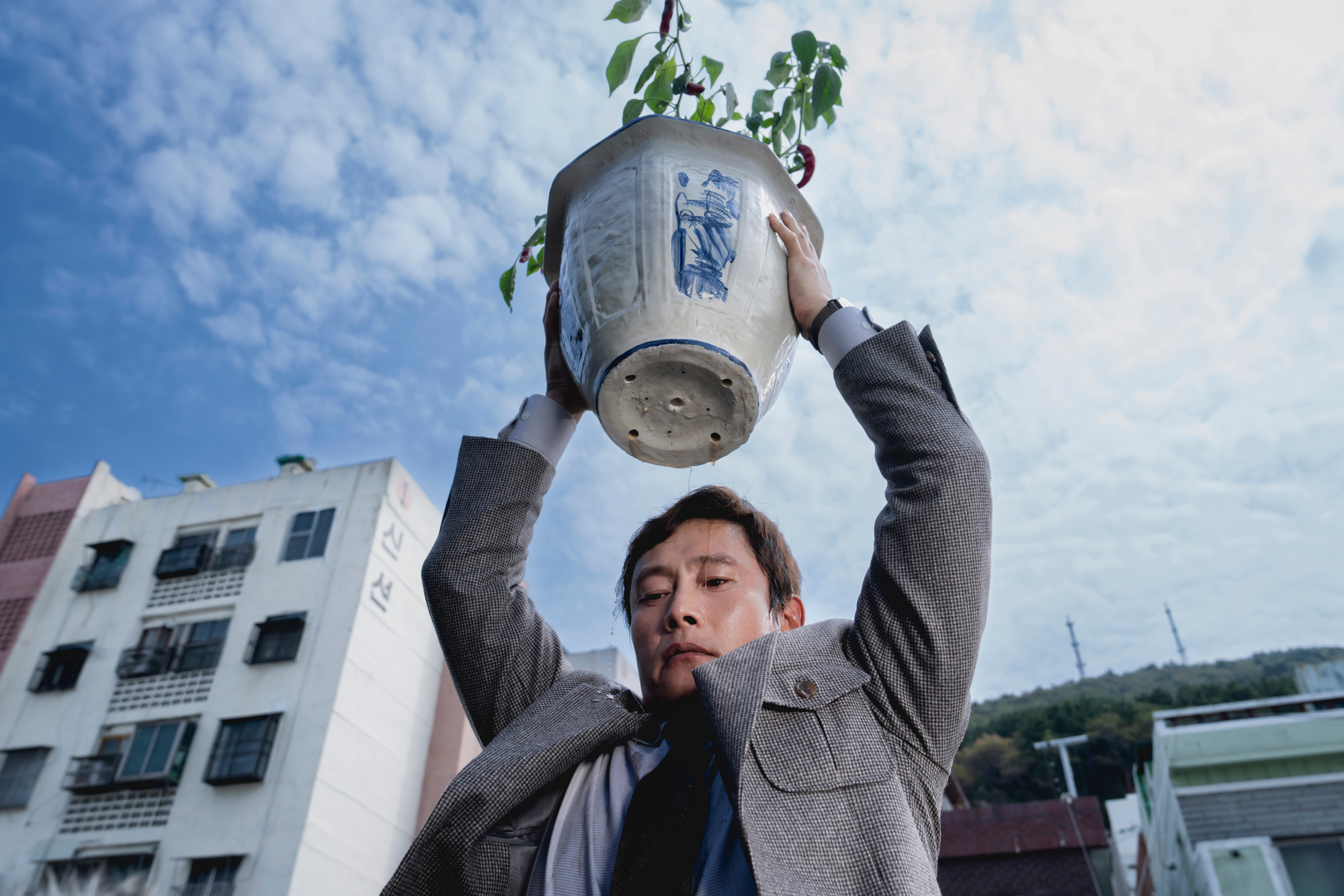
“No other choice…” is a common refrain spoken by Park Chan-wook’s beleaguered proletariat in his most recent thriller. Fired from the job that enabled his dream life and family, actor Lee Byung-hun’s bravura lead turn blurs the line between desperation and slapstick as he attempts to gain the upper hand in his search for work alongside Park’s funniest ensemble yet. Park finds myriad cinematic ways to show how capitalism bends you out of shape and cracks you into submission, contorting you into a grotesquerie of your former self. A homicidal comedy of errors that treats the ruthless nature of corporate survival like farce and sends up a sleeping upper middle class, you’ll be hard pressed to find a late capitalism satire with this much attention given to visual poetry, vaudeville, and savagery in equal measure. As the saying goes, “you can’t make an omelette without breaking eggs.” Like what you see from outside the frying pan?
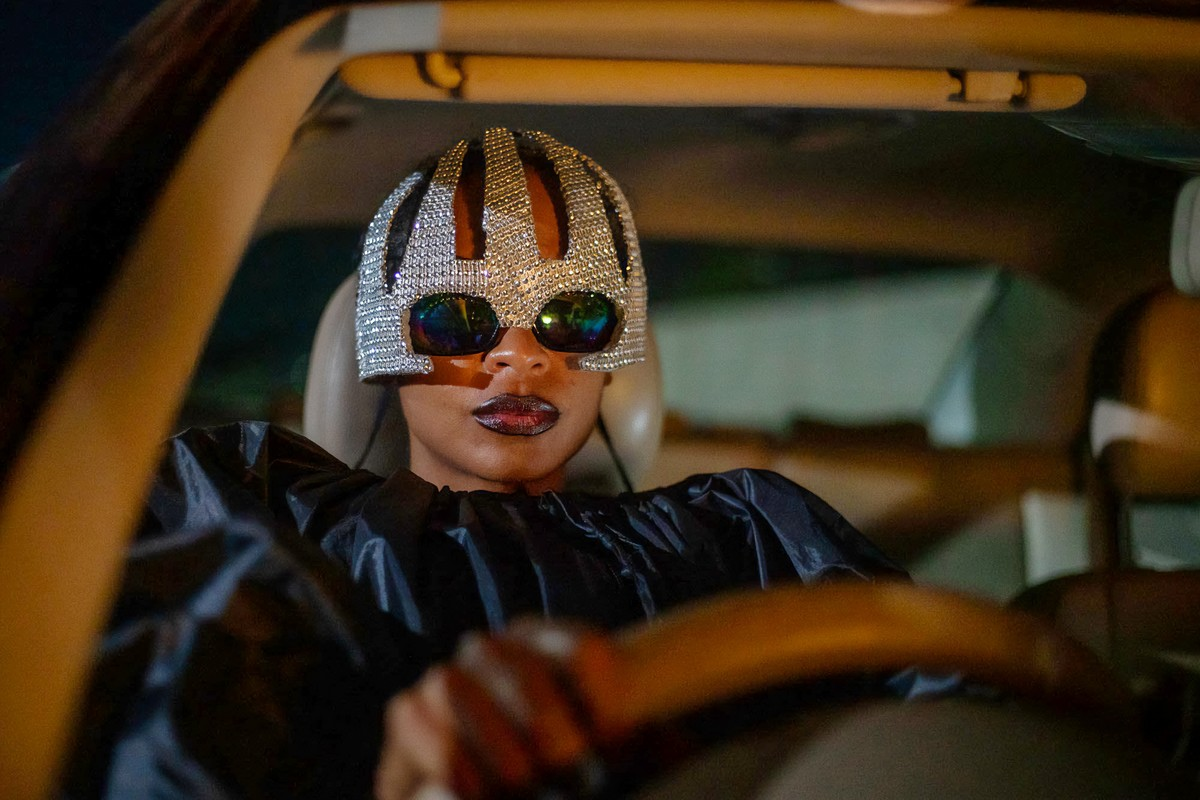
In one of the better openings of the year, Shula (Susan Chardy) is driving home in oversized Missy Elliott trash bag couture when she comes across the dead body of her uncle on the side of the road. This discovery triggers a chain of events that reveal the secrets and injustices bubbling under the surface of a family driven to protect abusers over victims by the most toxic ideologies of the patriarchal nuclear family. In this carefully observed Zambian family drama, Nyoni blurs the lines of reality with a studied formal clarity, overwhelming steely-eyed Shula with nightmares, dream sequences, and magical realism as she digs deeper into the generational daggers actively piercing the hearts of her loved ones.
The frictions of our shared life in hell set the scene in Paul Thomas Anderson’s tenth film One Battle After Another. Brutal immigration enforcement and the white supremacist fixations that animate the current US political regime reflect back at us in PTA’s shattered mirror. His latest California epic within his canon of found families finds the “French 75,” a militant revolutionary cell, freeing an immigrant detention center in the explosive prologue. The crushing weight of the nightmarishly persistent American military proceeds to smother them. Rebels strain under the force of a fascist police state, and families are targeted by authoritarian systems. But smaller scale community-oriented rebellions also keep those systems at bay one small battle at a time, and moments of kindness and solidarity animate the film’s hopeful core. Leo has never been better, Teyana Taylor is a revelation, and everyone I know wants to grab “a few small beers” with Benicio del Toro.
Sometimes, laughter and rebellion are the only choices left.
Palestinian artist and photojournalist Fatima Hassouna is the subject of Sepideh Farsi’s Facetime documentary Put Your Soul On Your Hand And Walk. Hassouna was killed by an Israeli air strike on April 16th of this year, joining the league of Palestinian artists and filmmakers maimed and murdered by the occupation with impunity before they can see their films documenting their oppression premiere. "If I die, I want a loud death," Hassouna wrote in a recent Instagram post. “I want a death that the world will hear, an impact that will remain through time, and a timeless image that cannot be buried by time or place.” Hassouna posthumously challenges the Israeli occupation with charm and aplomb, captured by Farsi’s lovingly maternal inquiries into her life in wartime Gaza after October 7th. Resolute and steadfast in maintaining the joy that the Israeli army seeks to drain from her daily routine, Hassouna’s ability to dream is still diminished by the durational torment of life in a war zone. Farsi tracks this with a rare intimacy only achievable in this format.

Double trouble. (Warner Bros. Ent. All Rights Reserved)
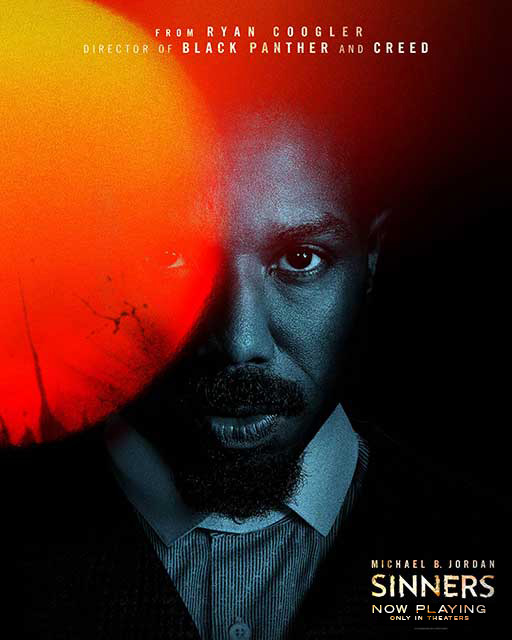
There is so much to love in this southern gothic vampire horror epic: the sensuous and dangerous thrills that accompany unapologetic Black communion in the Jim Crow South, a jammin’ juke joint, characters rippling with an eroticism absent from most mainstream filmmaking, a scene-chewing Delroy Lindo – even sexy twins! Coogler & co. pull at the scabs of America’s sordid racial history with the blues, questioning ownership, colonial tools of oppression, and allegiance to systems meant to marginalize the other in this stylish barnburner. When paired with the rich character development and attention to ensemble dynamics that Coogler paints in, the emotional stakes that ensue actually matter. Artfully directed spectacle is what we deserve as moviegoers and something that we should be asking of our blockbusters regularly.
Bay Area funk and soul music legend Sly Stone died aged 82 in June of this year. Six months prior to his death, Questlove premiered his new film Sly Lives! an excellent Sly and the Family Stone music doc in its own right. However, the doc moves past convention with Questlove’s sympathetic inquiry into Stone’s substance abuse struggles and subsequent withdrawal from public life. D’Angelo’s voice in the chorus of hip hop and soul talking heads bears the knowing implication of his own public struggles, all the more haunting in light of his unexpected passing just a few months after Sly. How do we contend with the fact that we can’t keep Black artists that give us so much alive past the age of sixty? This passionate tribute and reflection lives as a profoundly moving example of a vast musical progeny giving a Black genius his flowers while he could still see them.
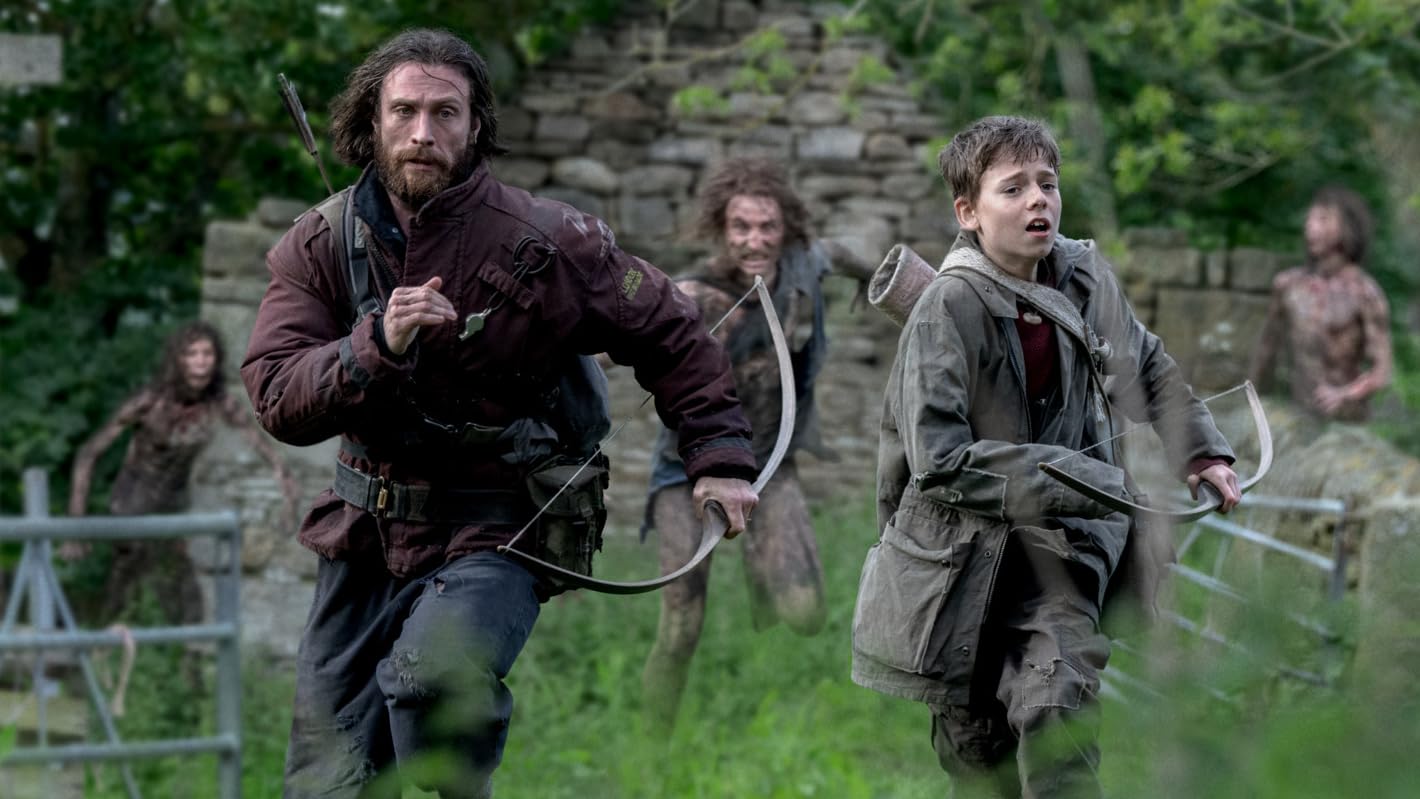
Against all odds, the long-awaited 28 Days Later zombie horror franchise sequel 28 Years Later doesn’t suck. Helmed by returning director Danny Boyle and writer Alex Garland, 28 Years Later not only lives up to the dizzying kinetic heights of its originator, but throws an entirely new visual language at you. Boyle barrages you with bullet time kill shots, archival British nationalist propaganda, and aggro editing choices in novel configurations to create a pressure cooker of toxic masculinity just waiting to blow. Isolated by tribalism in a post-apocalyptic England, our young protagonist Spike learns the ways of the world with his father out in the wild, who is easy to idolize until you dig past the aura-farming machismo that conceals something dirtier and meaner. More parallels between the human and the infected are redrawn like 28 Days Later, but this time with fresh subtextual focus on our collective reckoning (or lack thereof) with the COVID-19 pandemic. A turn occurs that leaves Spike spending more time with his ailing mother, triggering a dark and darkly comic journey that is surprisingly tender underneath the squealing zombies.
Follow Bay Area Current on Letterboxd.
Bay Area Current’s Year End Coverage
Sign up for our newsletters. They're good, we promise.
No spam. Unsubscribe anytime.
Myron Angus is a member of Bay Area Current's Editorial Board. A writer with a passion for arts and culture, he has partied, worked, and organized here for most of his life.
View articles
Wallace Shawn’s ironic polemic against class society takes audiences on a psychic and physical journey after dark.

Pretty Good Advice. Telling you what you need, but may not want to hear.

A monthly questionnaire that tries to get to the bottom of things.

We spoke to rally attendees about taking time off, burnout, and what inspired them to come out in the first place.

